Table of Contents
- 🏁 Introduction
- 📐 Race Format & Why I Signed Up
- 🛠 Preparation, Teamwork, and the Details
- 🌙 Race Day: Highs, Lows, and the Hinge Moment
- 🎧 Solitude, Spiritual Moments & The Midnight Birthday
- 🔍 Debrief & Lessons Learned
- 🧠 Mental Strategies & Practical Takeaways
- ✅ Conclusion
- ▶️ Watch the full episode
🏁 Introduction
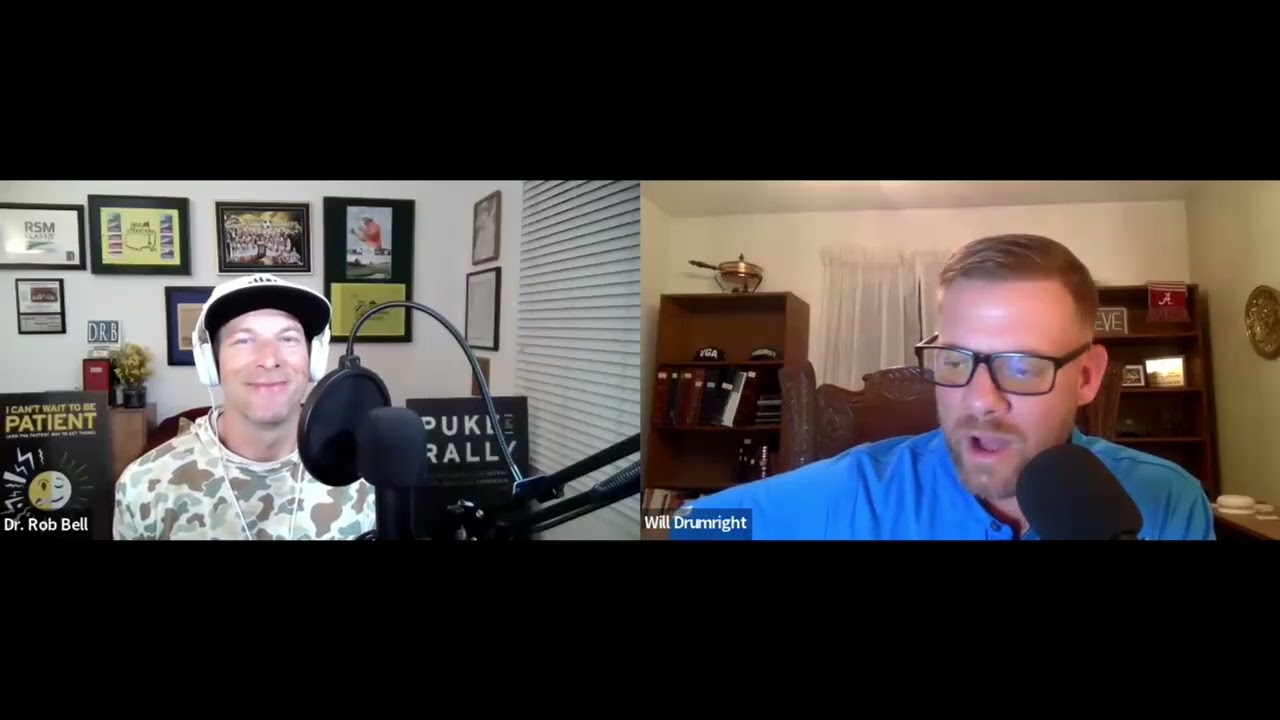
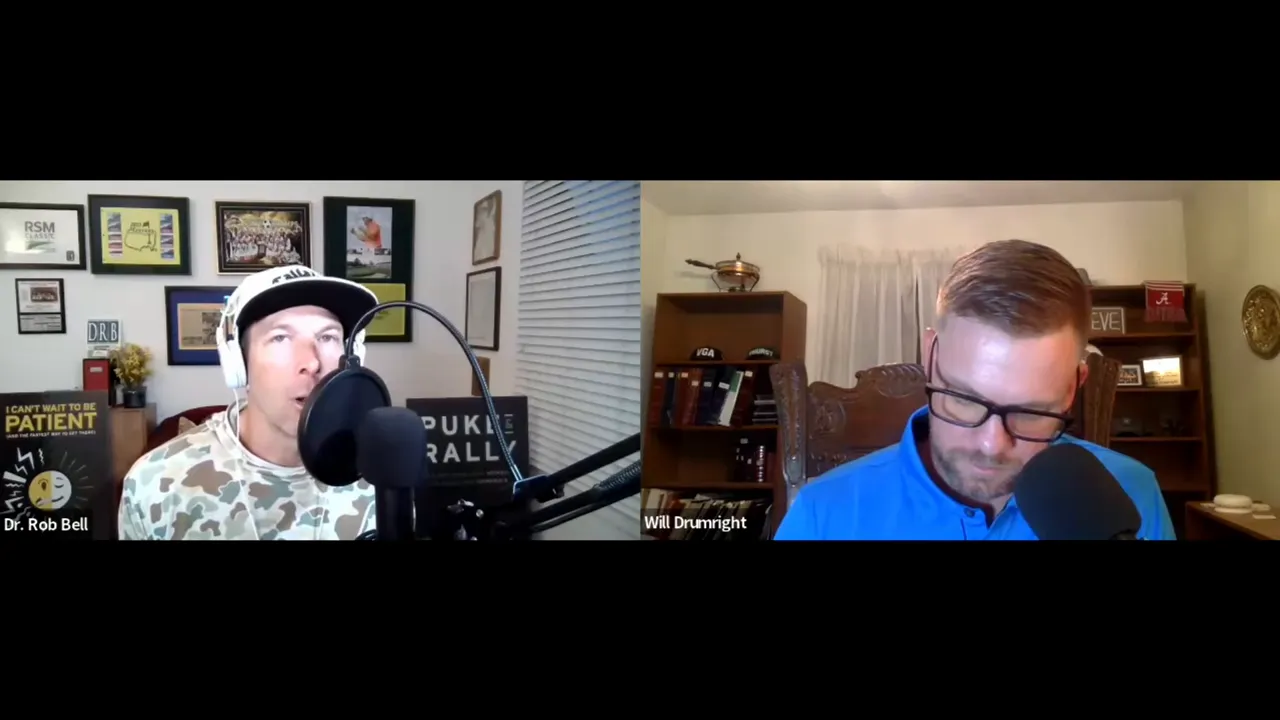
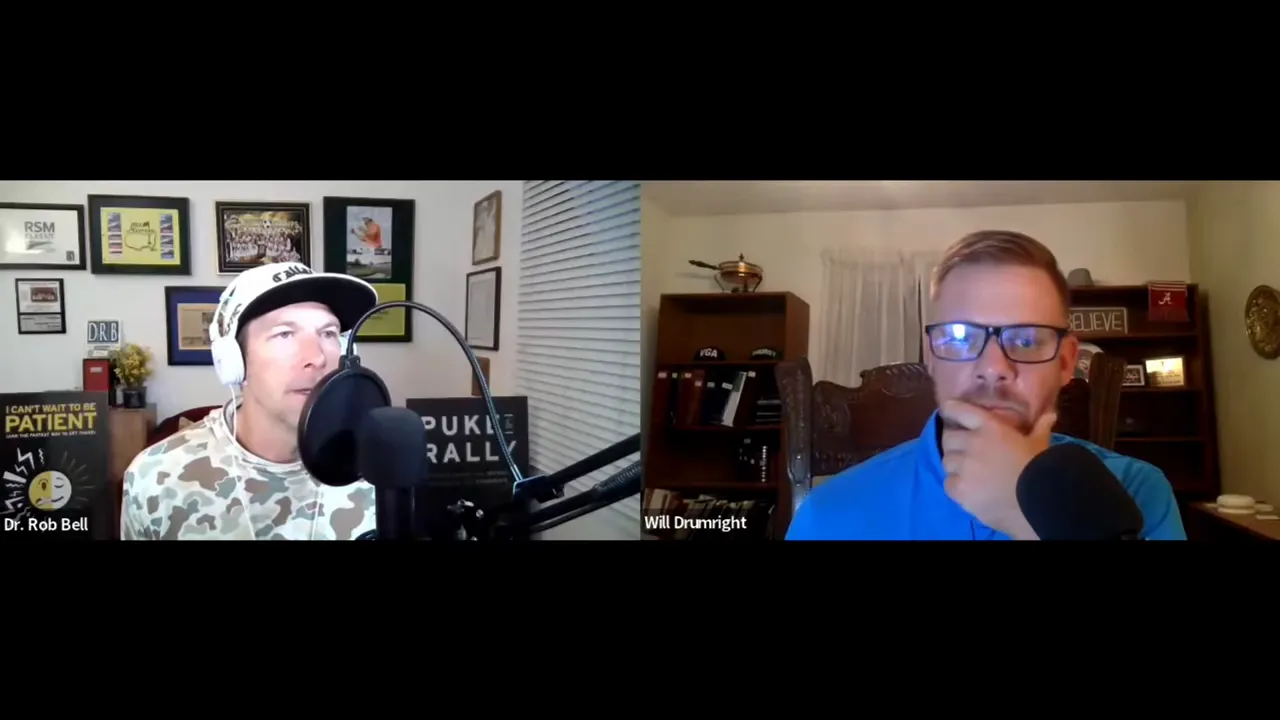
I’m Dr. Rob Bell Sport psychology Coach based in the Indianapolis area. In this interview I recap my experience at the Prairie on Fire Backyard Ultra — a race I discussed in my Mental Toughness podcast episode. As a sport psychology coach, 8x author and athlete, I approached this event with a year of focused preparation and a mindset tuned to endurance, teamwork, and the little details that keep you moving.
📐 Race Format & Why I Signed Up
What is the Prairie on Fire Backyard Ultra and why did you choose this format?
The Backyard Ultra is a simple-but-sadistic format: a 4.1-mile loop every hour, and you must be back at the start at the top of the hour. It keeps going until one runner remains. I signed up because it was as close to a “backyard” start as I could get and because the format rewards persistence over pure speed — you don’t have to be the fastest, you just can’t quit.
How did you approach pacing for such an open-ended race?
I used rate of perceived exertion (RPE). My target was an RPE of 2 — easy, conversational effort. That meant coming in around 52–53 minutes per loop, giving time to stretch, refuel and reset. Simple planning like that kept me feeling fresh even after a marathon’s worth of loops.
🛠 Preparation, Teamwork, and the Details
What did your physical and mental preparation look like?
I trained all year specifically for this race: higher mileage, strength work, strategic long runs (two separate six-hour training runs, one in Florida and one at the course), and sleep prioritization. I also worked with a coach to avoid overtraining — availability is the best ability. The phrase I kept coming back to was: we play like we train, we race like we train.
How important was your crew and family to your performance?
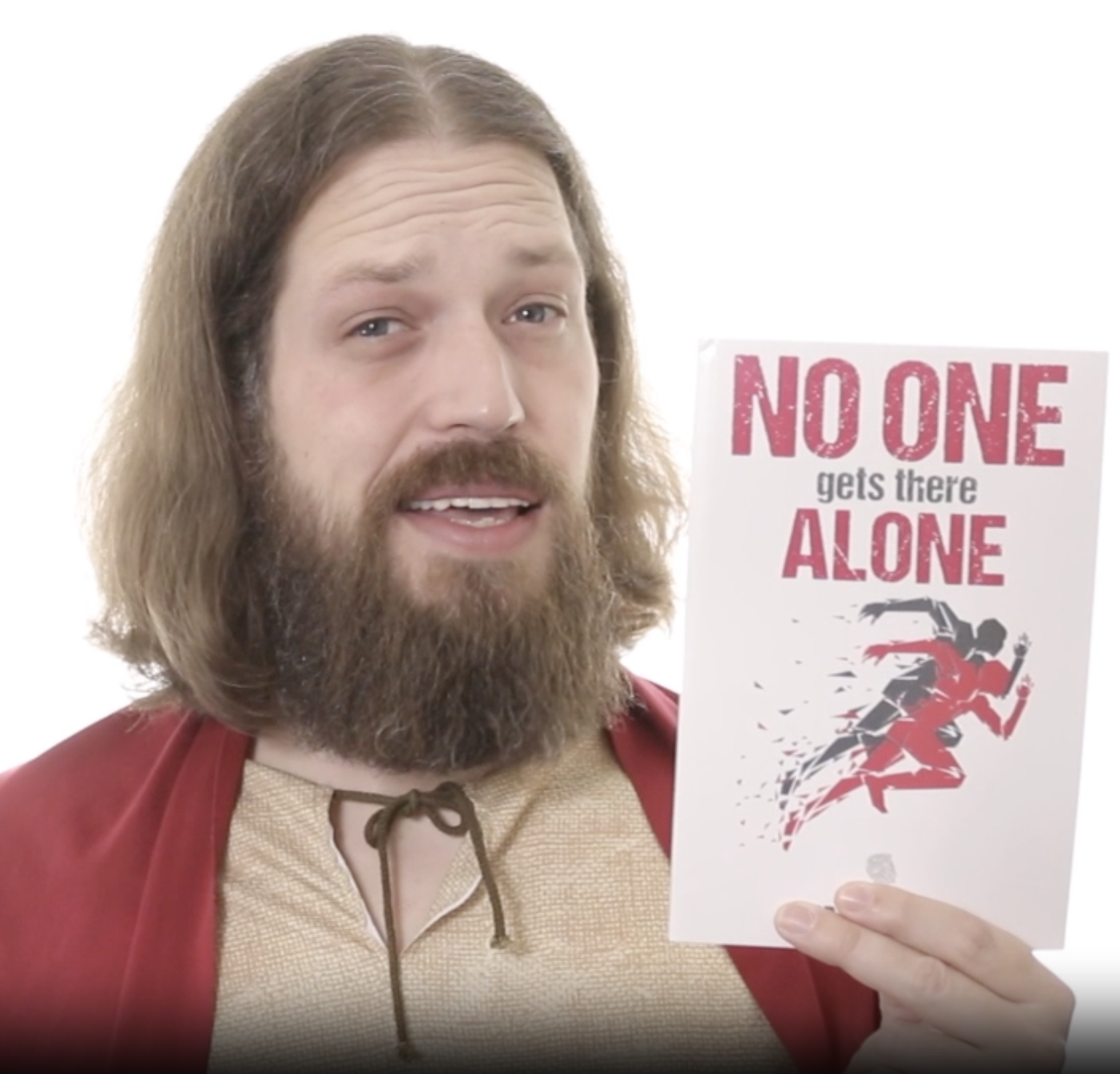
Extremely. This event is unique because you see your crew every hour. My wife and kids were my pit crew; we rehearsed exact routines for hydration, nutrition, sock changes, and quick stretches. Their presence kept me honest and pushed me farther — no one gets there alone. The team aspect turned individual endurance into a family effort.
Any preparation details people might overlook?
Details matter. I did a sweat test and learned I was losing roughly 1,600 mg of sodium per hour — information that changed our fueling plan. Little things like sodium, backup hydration, and a practiced handoff every loop add up; they’re the difference between a manageable race and a meltdown.
🌙 Race Day: Highs, Lows, and the Hinge Moment
Walk us through the race timeline and the turning point.
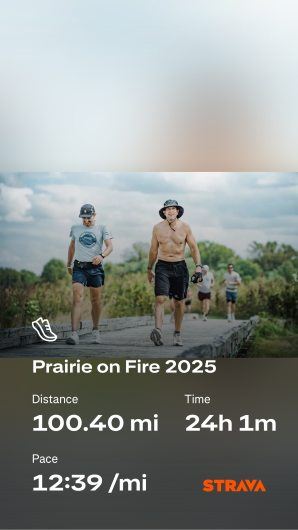
The race started at 8:00 AM. Daytime was looped; at 8:00 PM the course became an out-and-back. I was about 50 miles at that switch. The race was smooth for the first 12 hours — fuel, pacing, and rhythm were dialed. Around mile 60 I felt stabbing pain under my foot. I tried creams and adjustments, but by mile 80 the problem had become a “blown tire.” I had to readjust expectations and set a new target: make it to 100 miles. It was time to Puke & Rally!
What made mile 80 the lowest point?
Mile 80 was when I had to admit something serious was wrong — the pain wasn’t subsiding and I couldn’t really push off. Telling the crew “I’ve got a flat tire” was humbling. I set a reachable goal (100 miles), but later realized anchoring firmly to that new number probably kept me from stretching farther. Hindsight: if I’d chosen 104 instead of 100, I might have pushed on longer. The injury was later diagnosed as a fifth metatarsal stress fracture.
🎧 Solitude, Spiritual Moments & The Midnight Birthday
Were there moments that surprised you emotionally or spiritually?
Yes. Nighttime became solitary: I was the last runner out for several laps. I usually run without music, but for this race I brought some faith music that moved me. At 4:00 AM under moonlight, with tears and quiet prayer, I found perspective — even amid disappointment. At midnight we celebrated my daughter’s birthday (we share the same day) right on course — the race director sang “Happy Birthday” and she blew out an imaginary candle. Those human moments are why I race.
Did you have meaningful interactions with other runners?
Absolutely. Early on I ran a loop with a 12-year-old named Hazel and helped her take the race one landmark at a time — “make it to the tree, then the parking lot.” Helping her reminded me to apply the same micro-goal strategy when things got hard later. That give-and-take between runners fills your soul and keeps you going.
🔍 Debrief & Lessons Learned
How did you process the result afterward?
Immediately after I struggled with mixed emotions — pride in 100 miles and disappointment that I couldn’t reach the original goal. Talking it out with friends, coaches and family helped. A core takeaway: control what you can, accept what you can’t, and be grateful for the things you did well. We packed up an entire day’s worth of gear afterward — that’s how many details were part of the event.
How did this race change you as a runner and coach?
This race reinforced that preparation, attention to details, and team systems matter. It gave me confidence that the processes I use as a dr rob bell sport psychology coach are working: preparation, compartmentalization, and micro-goal setting. It also reminded me that good times don’t last — and that’s proof bad times won’t either. That perspective is a comforting lens I’ll bring into future coaching and racing.
🧠 Mental Strategies & Practical Takeaways
What mental strategies carried you through when your body wanted to stop?
I compartmentalized everything: short-term targets (get to the next road, the coolers, the farmhouse), keep nutrition and hydration consistent, and stay small. Simple is powerful — but simple doesn’t mean easy. When the picture grows too big, it becomes paralyzing. Keep it bite-sized and keep moving.
Will you do it again — and what advice would you give others?
I thought about it immediately after the race. My daughter and son want to race it, and I’d love to be part of that. Advice: practice the pit-crew routines, test your sweat/fuel needs, train like you’ll race (we play like we train), and learn to set micro-goals. If you can run 13 miles easily, this format is perfect for distance goals like a marathon or 50 miles.
✅ Conclusion
Prairie on Fire taught me about resilience, humility, and gratitude. As a dr rob bell sport psychology coach I’ll keep using these lessons — details matter, teamwork amplifies performance, and short-term goals get you through the long nights. Test becomes testimony; mess becomes the message. If you want to push your limits and to learn who you are in the arena, this format will show you — and you won’t do it alone.
▶️ Watch the full episode
To hear the full conversation and the audio moments I reference, check out the original episode.
Key Strategies on How to Win a Back-Yard Ultra
Knowing how to win a back-yard ultra is about persistence, strategy, and harnessing your inner strength. As you prepare, keep in mind the essential elements of how to win a back-yard ultra and train accordingly. Fostering a supportive community can help you discover how to win a back-yard ultra through shared insights and encouragement. We all want to know how to win a back-yard ultra, and it starts with defining our personal goals and motivations. Learning from others is key to understanding how to win a back-yard ultra, and sharing experiences can be beneficial.
Let’s discuss how to win a back-yard ultra by focusing on nutrition and hydration strategies that support endurance performance. Incorporating mental strategies plays a crucial role in knowing how to win a back-yard ultra and maintaining focus throughout the race. Achieving your goals requires understanding how to win a back-yard ultra and committing to a structured training regimen. Many athletes have questions about how to win a back-yard ultra, and it’s essential to address common concerns and training strategies.
By applying the principles of how to win a back-yard ultra, you can shape your training and racing experience effectively. Understanding how to win a back-yard ultra involves mastering endurance, pacing, and psychological resilience. Welcome to my blog where I provide valuable insights on how to win a back-yard ultra. In this post, I will delve deeper into how to win a back-yard ultra through effective training and mindset strategies.
Let’s explore the key tactics on how to win a back-yard ultra that can enhance your performance.
In this post, I will share insights on how to win a back-yard ultra, including important tips and personal strategies to help you succeed.