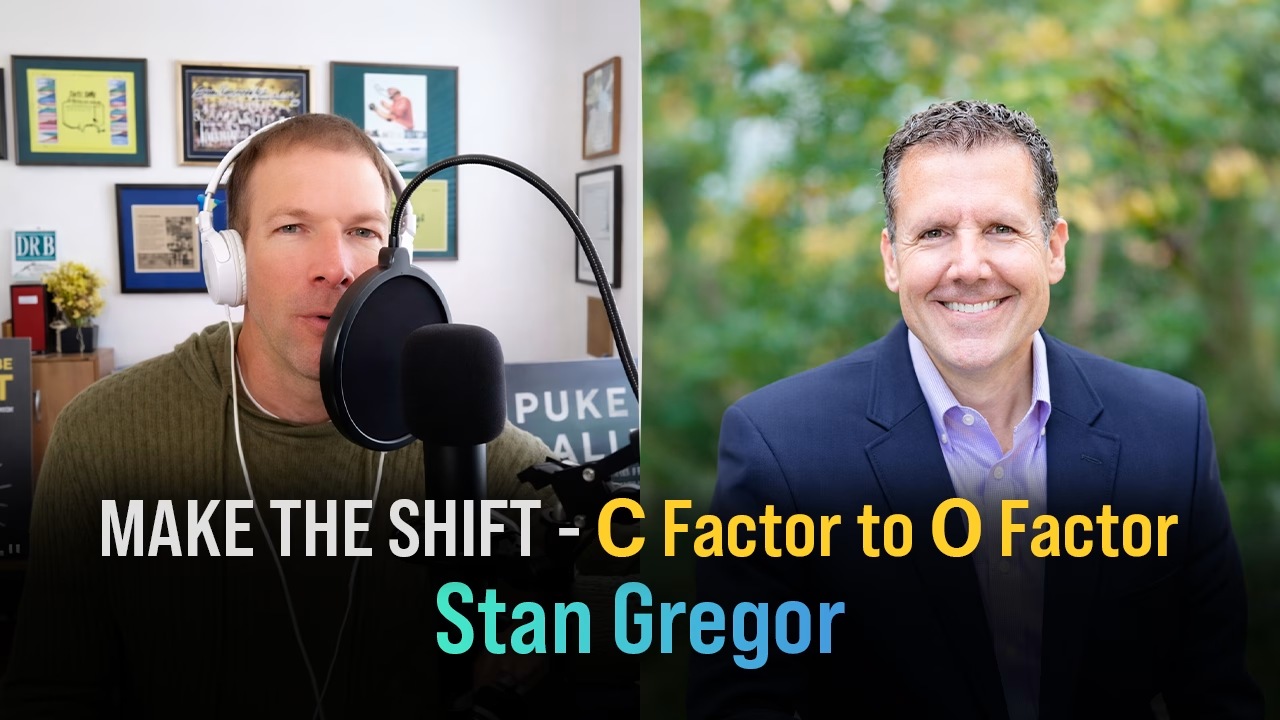
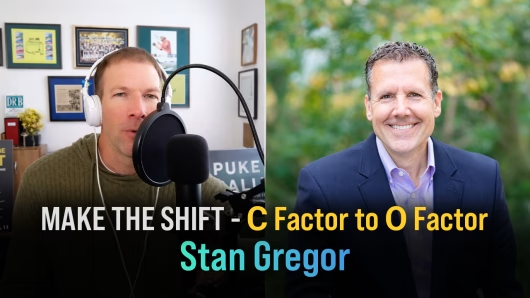
If you are searching for leadership lessons from the Stan Gregor Summit Financial podcast, you are likely looking for more than motivational advice. Leadership Builds Zero-Turnover Culture in Wealth Management!
You want frameworks that translate into day-to-day decisions: how to build culture, mental toughness, how to retain top teams, how to improve the client experience, and how to prepare for what comes next in a highly regulated, high-stakes industry.
This podcast episode from Stan Gregor Summit Financial breaks down practical leadership principles and operating choices tied to that conversation, including a leadership shift known as going from C-Factor to O-Factor, plus concrete ideas for collaboration, hiring fit, compliance that works as a partner, and advisor experience as a growth strategy.
DOWNLOAD 5 Mental Toughness Advantages For Financial Advisors
Table of Contents
- 1️⃣ What “C-Factor to O-Factor” leadership means (and why it matters) 🧠
- 2️⃣ How to build a culture where people do not leave (zero-turnover mindset) 🤝
- 3️⃣ Collaboration beats command leadership (how teams share what works) 🧩
- 4️⃣ Why growth sometimes has to pause before it accelerates 🚦
- 5️⃣ Position the advisor as the “general manager” for the family 🏟️
- 6️⃣ The Sunday test for hiring: fit is not optional 🎯
- 7️⃣ Compliance as a growth partner, not a blocker 🛡️
- 8️⃣ Advisor experience is a client experience strategy 💼
- 9️⃣ Mental toughness for advisors: focus on the prize, prepare daily ⚡
- 🔟 What leaders must plan for next: the generational transfer of wealth ⏭️
- ⚠️ Common mistakes to avoid when applying these leadership principles
- ✅ Key takeaways: a leadership playbook you can use
1️⃣ What “C-Factor to O-Factor” Leadership Builds Zero-Turnover Culture in Wealth Management (and why it matters) 🧠
Most people start with a plan that looks strong on paper. The missing step is stress-testing the plan against real-life uncertainty. The “C to O” idea is a mental model for going beyond the obvious and connecting your plan to the “what if” scenarios that can derail it.
C-Factor is the starting point. It is the core plan, the initial assumption, the rent you can account for, the strategy you can explain, and the risks you already recognize.
O-Factor is the extra line you add after that. It is the discipline of asking, “What else could happen?” Then you design for upside and downside using a safer, more scalable structure.
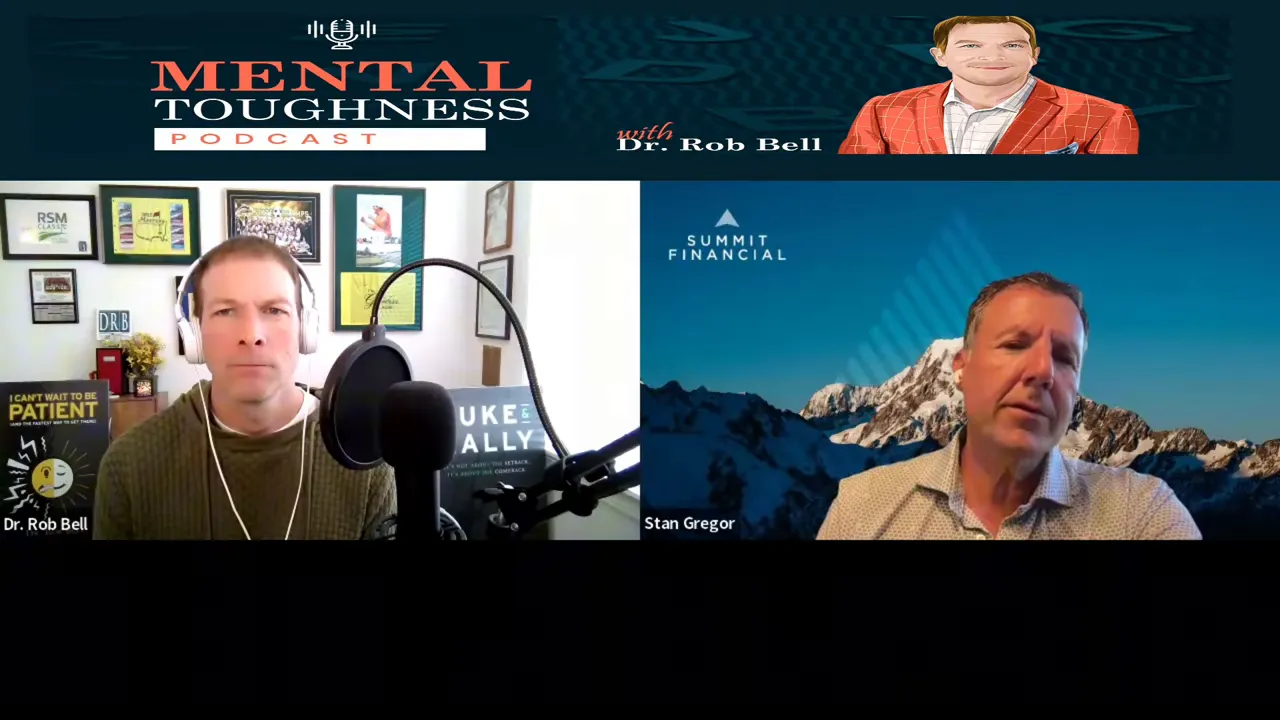
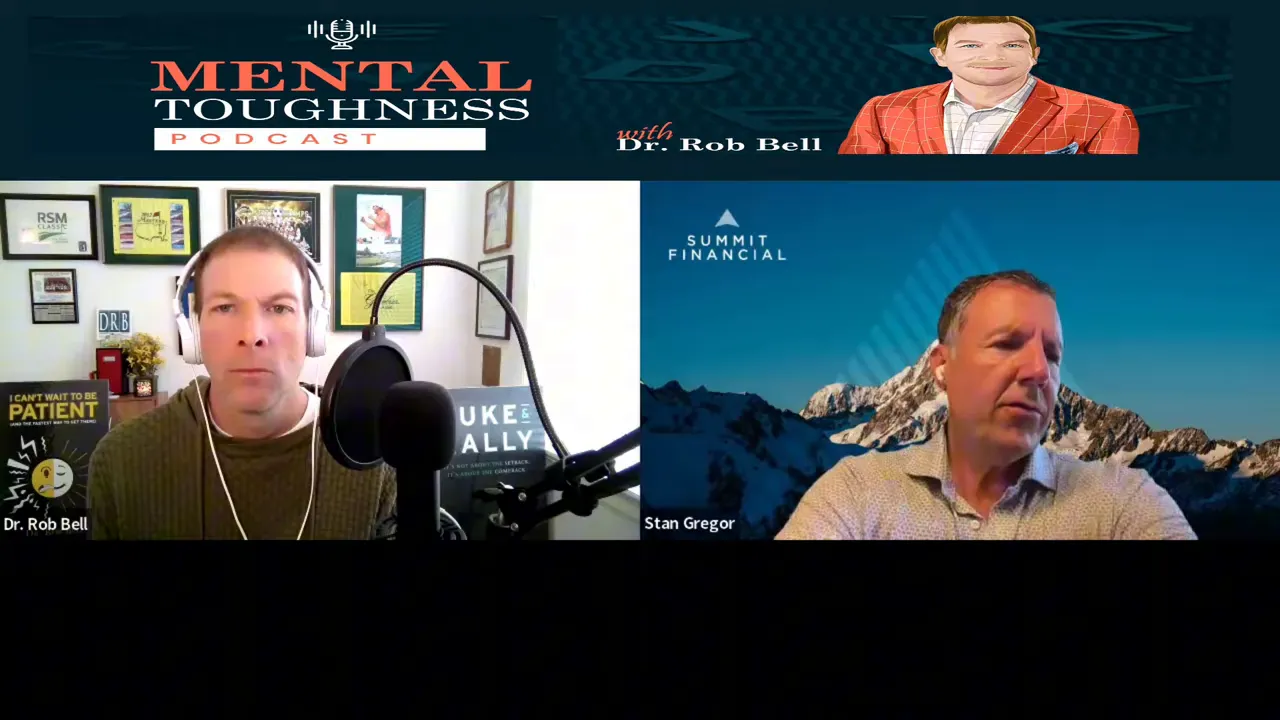
This is how it is laid out inside of the podcast episode with Stan Gregor Summit Financial- Leadership Builds Zero-Turnover Culture in Wealth Management.
In wealth management, this is not abstract. Regulatory risk, market volatility, cyber threats, operational failures, and client life changes can all force reality to “override” the original plan. The goal is to build leadership habits that routinely anticipate the unexpected rather than react to it.
✅ A simple C-to-O checklist for leaders
- State the core: What is the plan, offer, or workflow in one sentence?
- Identify what could break it: What is the biggest “what if” that would hurt continuity?
- Build for downside: What is the cushion if conditions tighten?
- Build for scale: What changes would allow the plan to grow without failing under load?
- Assign ownership: Who is responsible for monitoring the assumptions?
- Update regularly: If the environment shifts, the plan must evolve.
When that “extra line” becomes a leadership habit, teams stop treating risks as surprises and start treating them as design inputs.
2️⃣ How to build a culture where people do not leave (zero-turnover mindset) 🤝
In client-first financial services, retention is not luck.
Leadership Builds Zero-Turnover Culture in Wealth Management because it is the result of how leaders design incentives, decision rights, collaboration norms, and day-to-day experience. The core idea is that people stay when the culture consistently reinforces respect, accountability, and meaningful support.
A key principle is that culture is shaped by daily operations, not slogans. If the environment is command-and-control, teams experience it as pressure. If the environment is laissez-faire, teams drift into confusion. The middle ground is where performance and care coexist.
✅ What this culture requires (the operational “rules”)
- Expectation of excellence: High standards are not optional.
- Fear of failure and accountability: Concern about mistakes exists, because excellence matters.
- Swim-lane ownership: Each person owns their responsibility from one side of the “pool” to the other by delivering against outcomes.
- Collaboration norms: Sharing ideas is encouraged, not penalized.
- Recognition for being first: Teams are oriented toward top performance, not complacency.
This approach turns retention into a system: people stay because they experience clarity, partnership, and a standard that is both high and fair.
3️⃣ Collaboration beats command leadership (how teams share what works) 🧩
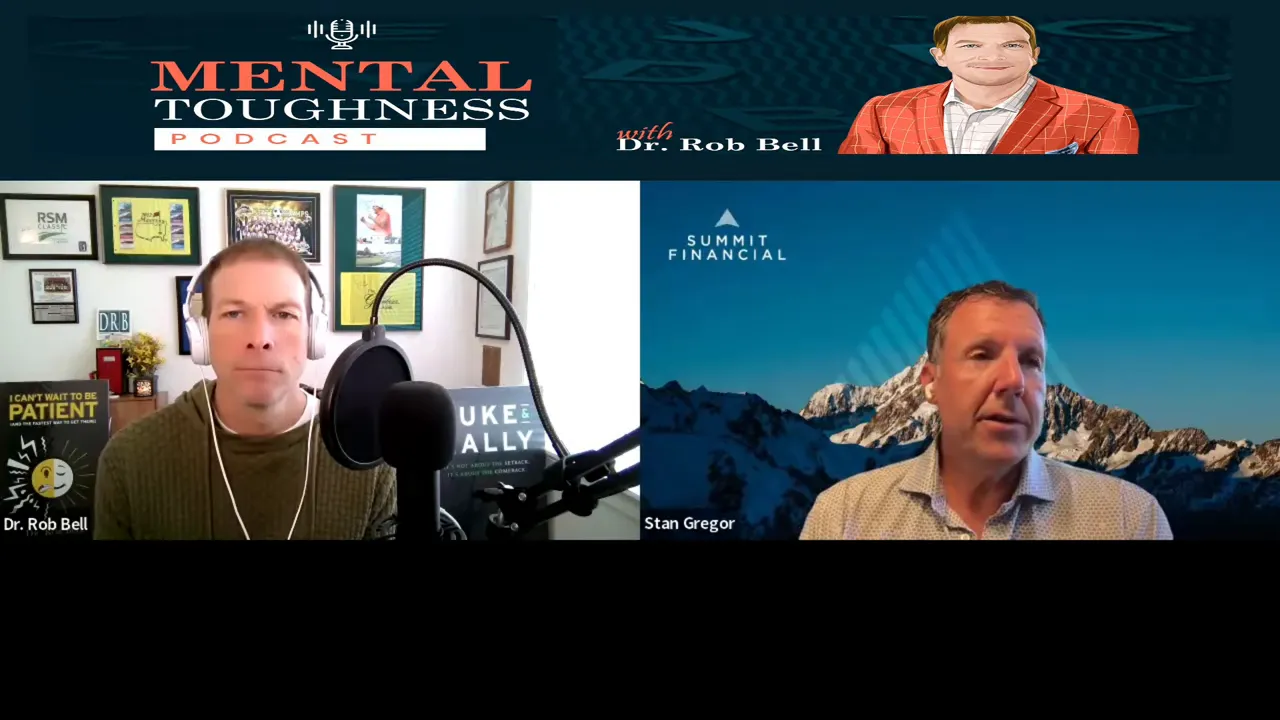
Many organizations say they value collaboration, but treat knowledge as power to be guarded. Leadership Builds Zero-Turnover Culture in Wealth Management is different. Collaboration is treated as an engine for better ideas, faster learning, and improved client outcomes.
Instead of knowledge hiding, teams are expected to share client learnings, investment ideas, and improvements they discover. That shared knowledge then feeds an internal process for evaluation and improvement.
✅ The collaboration-to-execution loop
- Regular peer sharing: Teams meet and exchange what is working.
- Bring ideas into a structured “lab”: Promising improvements are studied and vetted.
- Do due diligence: Decide if the change rolls out as is or needs enhancements.
- Keep iterating: The organization does not stop at “good enough.”
That loop matters because it reduces dependence on any single leader. The best ideas can come from advisors and partners, not only executives.
4️⃣ Why growth sometimes has to pause before it accelerates 🚦
One of the strongest leadership moves in the conversation is the willingness to stop recruiting temporarily to fix the foundation. When leaders promise new capabilities but build them only after hiring, they create disappointment and operational strain. The alternative is to build, test, and refine first.
In the Leadership Builds Zero-Turnover Culture in Wealth Management approach, growth had to pause while the platform, service model, pricing, technology, and client experience were reworked into a cohesive system. Only after the components were aligned did hiring and scaling continue.
✅ A practical reason this works in wealth management
- New teams need a complete capability stack: Without tools and processes, onboarding fails.
- Advisor experience depends on operations: If operations are unfinished, client service suffers.
- Consistency protects retention: People do not leave stable systems that work.
5️⃣ Position the advisor as the “general manager” for the family 🏟️
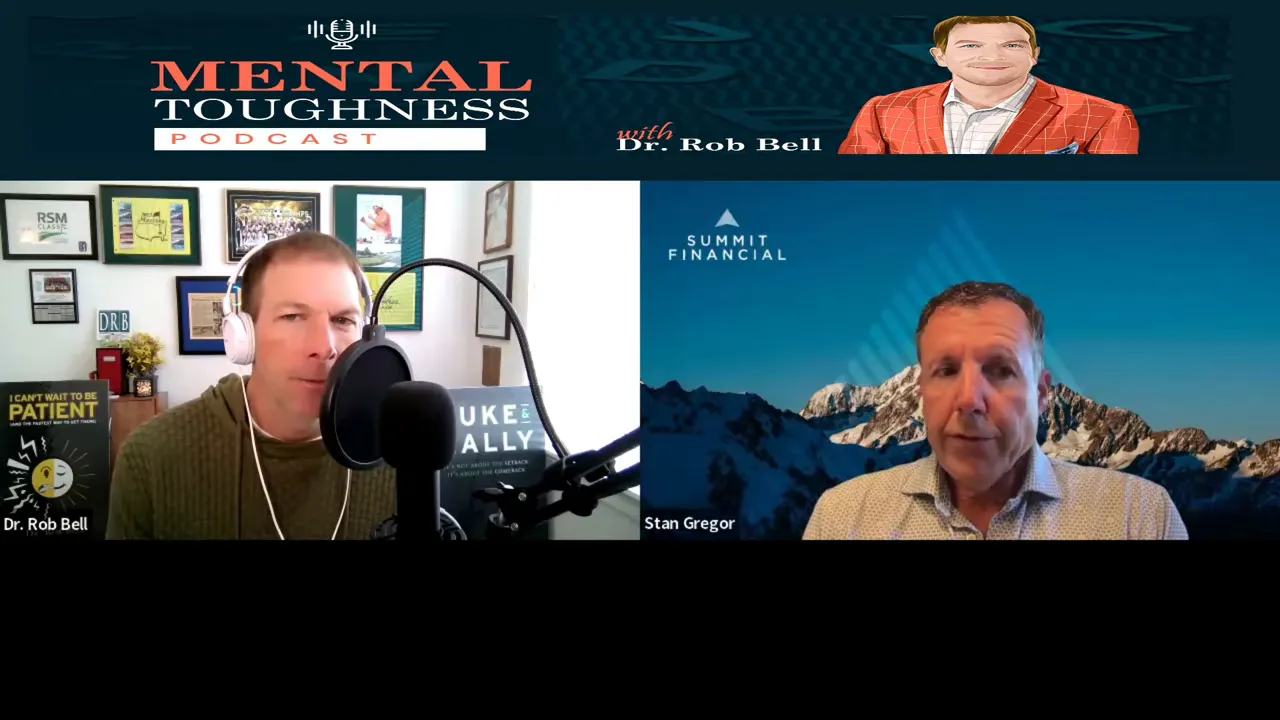
One of the most useful parts of the Stan Gregor Summit Financial podcast “Leadership Builds Zero-Turnover Culture in Wealth Management” approach is the shift in how advisors are positioned. Not as a player focused on one slice of the client’s needs, but as a steady long-term leader who coordinates holistic wealth planning.
The sports analogy matters because it explains the relationship dynamic:
- Players and coaches can be replaced quickly.
- General managers are responsible for long-term stability and family trust.
To support that “GM” role, the operating model aims to feel like a multifamily office service experience, where the advisor can serve both smaller and larger client relationships with holistic wealth management.
✅ What “multifamily office service” practically implies
- Holistic wealth management: More than one-off product conversations.
- Consistent tools and services: The advisor can execute across needs.
- Long-term coordination: The client experiences continuity and stability.
6️⃣ The Sunday test for hiring: fit is not optional 🎯
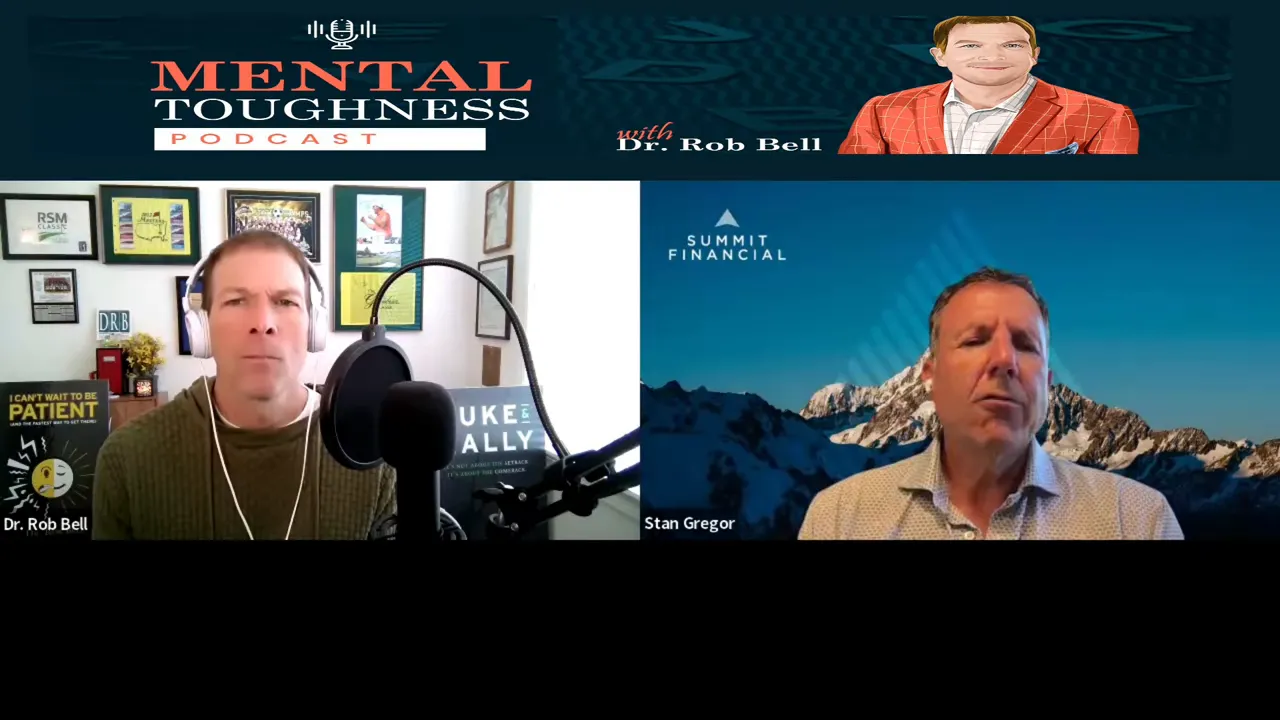
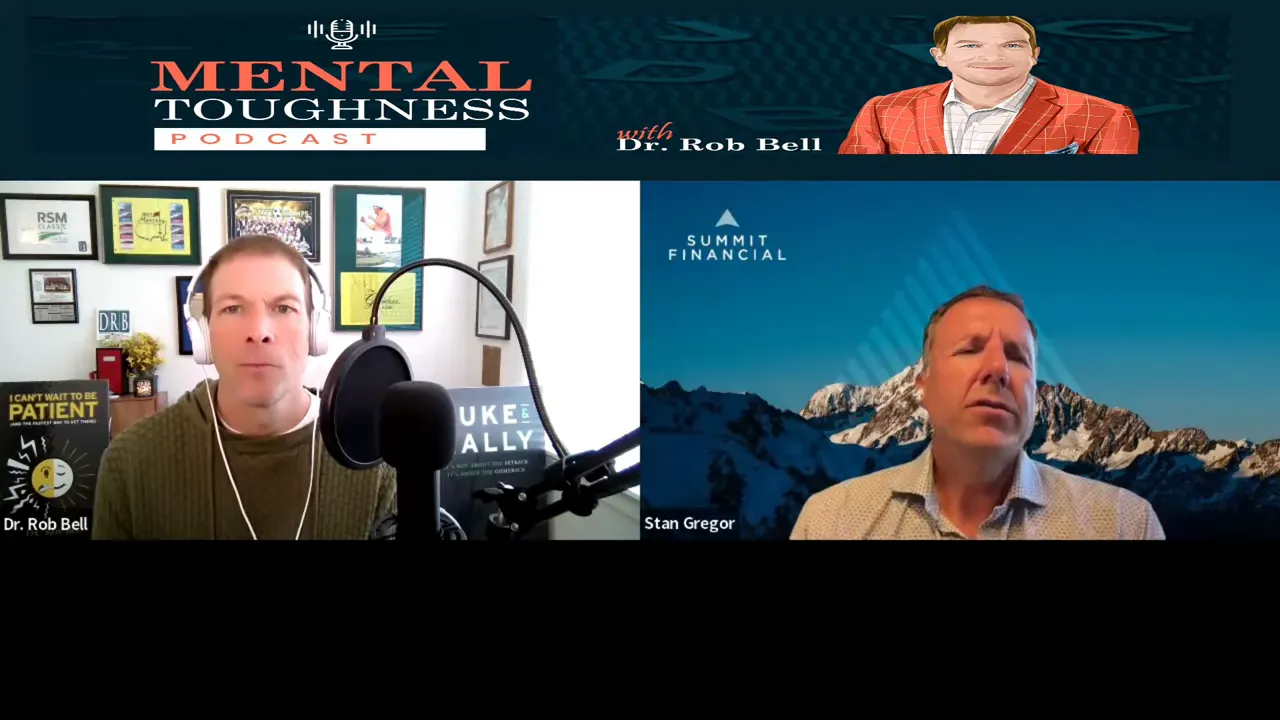
Hiring in financial services is not just skills assessment. It is relationship fit. This was my favorite part from the podcast interview with Stan Gregor Summit Financial as he discussed how effective Leadership Builds Zero-Turnover Culture in Wealth Management.
The conversation emphasizes a “non-negotiable” approach to partnership selection using a simple integrity screen: if you would not invite someone into your personal life to be with your family, you likely should not build a long-term business relationship with them.
This idea, sometimes described as a “Sunday factor,” centers on alignment, mutual respect, shared beliefs, and the willingness to collaborate.
✅ What the Sunday test is designed to protect
- Retention quality: People stay when they genuinely align.
- Collaboration: Trust enables sharing and cooperation.
- Advisor and team morale: Support and respect reduce friction.
It also highlights why remote-only interactions can fail. When you only interact at arm’s length, relationships can become transactional, and resignations become easier.
7️⃣ Compliance as a growth partner, not a blocker 🛡️
Compliance cannot be “no, before anything.”
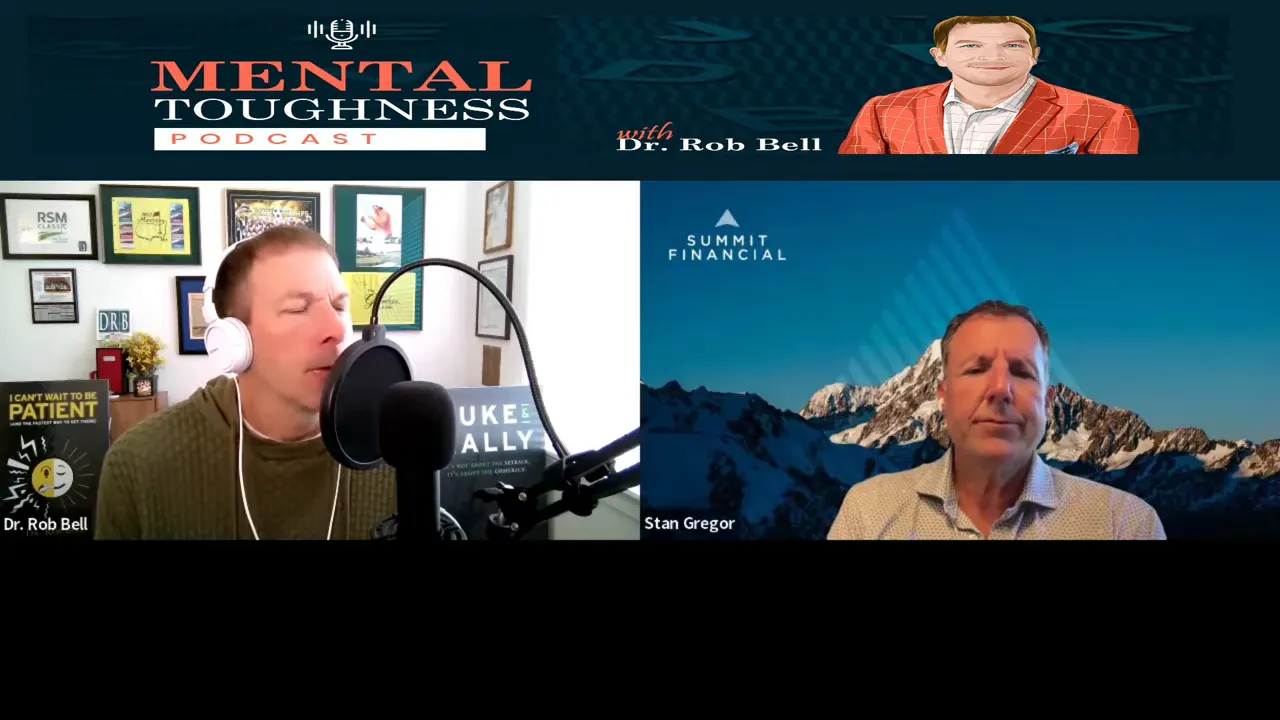
Stan Gregor Summit Financial describes that In regulated industries, the most effective compliance function protects clients while helping teams deliver what they are trying to accomplish.
The leadership standard described is collaborative compliance. That means experts understand regulatory, compliance, and cyber requirements, and they also communicate steps in a way that is commercially usable.
✅ What “collaborative compliance” looks like
- Clear do’s and don’ts: Compliance expertise is practical and actionable.
- Protective, not obstructive: Compliance supports execution without unnecessary friction.
- Fluid process: The workflow feels integrated, not adversarial.
- Cyber and operational awareness: Compliance also addresses modern threat and risk categories.
This reduces fear, speeds implementation, and helps teams avoid costly mistakes that harm clients and reputations.
8️⃣ Advisor experience is a client experience strategy 💼
A repeated theme is that client delight depends on advisor support.
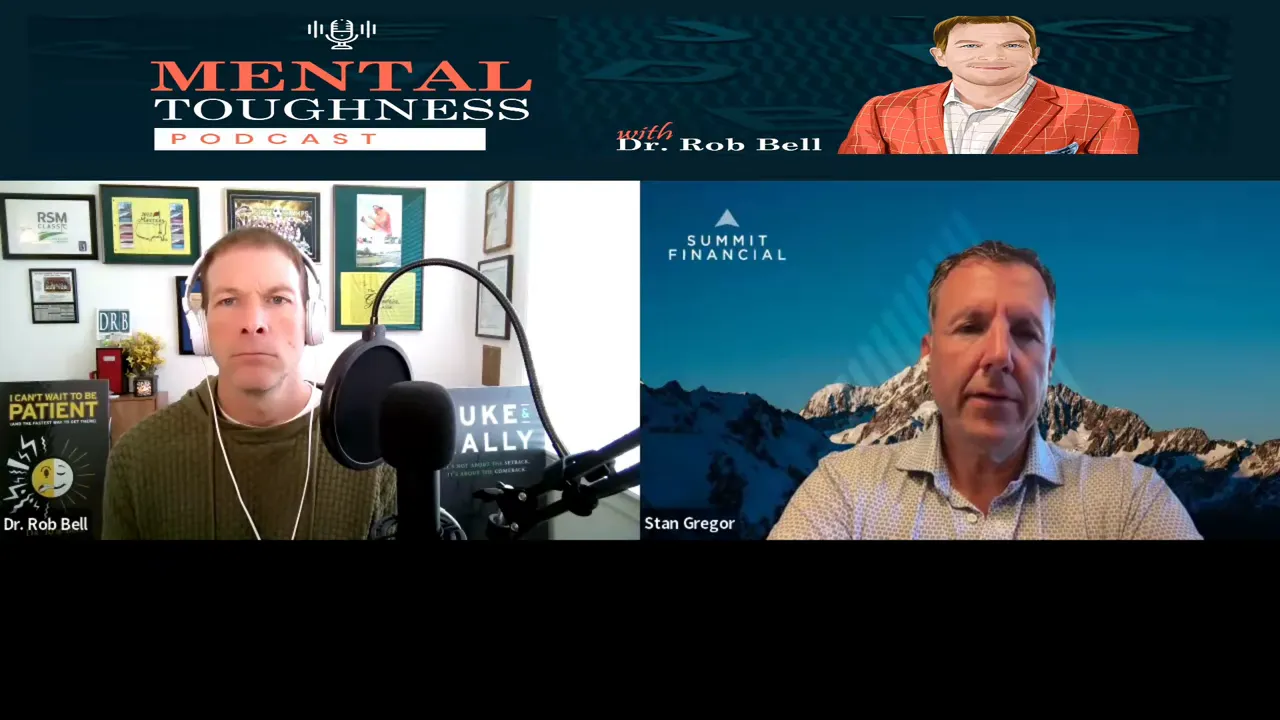
Stan Gregor describes that when advisors feel appreciated, heard, and equipped with the right tools, they deliver better conversations and stronger service outcomes.
The approach focuses on two delight factors. First, delight the advisor and internal teams. Then the advisor can delight the client through knowledgeable, empathetic, authentic, and forward-thinking delivery.
✅ A practical “advisor delight” framework
- Listen continuously: Understand what advisors need and what is nice to have versus necessary.
- Benchmark competition and best ideas: Do not assume what is working elsewhere is irrelevant.
- Provide tools: Advisors need capability, not just encouragement. Stan Gregor Summit Financial is adamant about the phase of growth.
- Evaluate improvements weekly: Keep an always-on improvement rhythm.
- Measure culture outcomes: Advisor happiness and support show up in client relationships.
9️⃣ Mental toughness for advisors: focus on the prize, prepare daily ⚡
In client-facing roles, adversity is constant. Rejection, risk, uncertainty, and fear about losing business can show up every day. Mental toughness is not about being emotionless. It is about staying focused while dealing with pressure and uncertainty. This is what it takes to puke & rally! That’s why effective Leadership Builds Zero-Turnover Culture in Wealth Management industry.
The mindset is:
- Stay focused on the prize even when outcomes are not immediate.
- Prepare daily because challenges do not wait for confidence.
- Balance toughness with empathy so client needs remain central.
- Keep reinventing so skills and approaches stay current.
In other words, mental toughness is a daily practice, not an identity claim.
🔟 What leaders must plan for next: the generational transfer of wealth ⏭️
The future is not only about markets and regulation.
Stan Gregor discusses that It is about talent pipelines and generational expectations. In wealth management, a major shift is coming through generational wealth transfer. That creates both opportunity and risk. That’s how Leadership Builds Zero-Turnover Culture in Wealth Management.
If firms are structured primarily for today’s advisors and not for the next generation, the rollover effect will not happen naturally. Teams can go elsewhere, taking assets, relationships, and momentum with them.
✅ The next-gen planning questions leaders should keep on the table
- What is the plan for the generation two advisor?
- Are we designing a business model that attracts and motivates the next wave?
- Are we aligning culture and tools with the next generation’s life-work mindset?
- Are we prepared for the biggest wealth transfer cycle in history?
This “what’s next” discipline connects back to C-to-O thinking of Stan Gregor Summit Financial. You cannot rely on last decade’s assumptions when the environment, talent expectations, and client priorities are changing. There often appears to be a Turnover Culture in Wealth Management, but this satisfies the soul.
⚠️ Common mistakes to avoid when applying these leadership principles
- Confusing culture talk with culture design: Slogans do not replace daily operating rules.
- Adding growth without completing foundations: Hiring before tools and service model alignment creates attrition stress.
- Keeping knowledge as a secret: Collaboration fails when people believe sharing will harm them.
- Treating compliance as a wall: Compliance must be a partner that protects and enables.
- Hiring for resumes only: Skill without alignment often leads to friction and turnover.
- Planning only for the obvious scenario: Skipping C-to-O stress testing leads to brittle operations.
✅ Key takeaways: a leadership playbook you can use
- Use C-to-O thinking that Stan Gregor Summit Financial describes to design for uncertainty and build scalable resilience.
- Build retention through clarity: excellence expectations, accountability, and collaboration.
- Position advisors for long-term trust using a “general manager” model for family wealth.
- Prioritize hiring fit with the Sunday test approach that protects alignment and cooperation.
- Make compliance collaborative so it enables execution while protecting clients.
- Invest in advisor experience because it directly drives client outcomes.
- Plan for the next generation so the future wealth transfer does not become a talent loss event.
If you are exploring the Stan Gregor Summit Financial podcast for leadership guidance, the value is in the operating principles: anticipate the “what if,” build systems that support advisors, and create a culture where performance and support reinforce each other.
5 Mental Toughness Advantages For Financial Advisors |
|
Download |
| Click here |

Dr. Rob Bell is a Sport Psychology Coach. DRB & associates coach executives and professional athletes. Some clients have included three different winners on the PGA Tour, Indy Eleven, University of Notre Dame, Marriott, and Walgreens.
- Check Out All The Books
- Keynote Speaking On Mental Toughness
- Mental Toughness Podcast as we interview expert athletes and coaches about Mental Strength and their Hinge Moment.
- New Blog Posts are published weekly.
- Follow on Twitter @drrobbell
- Follow on Instagram @drrobbell