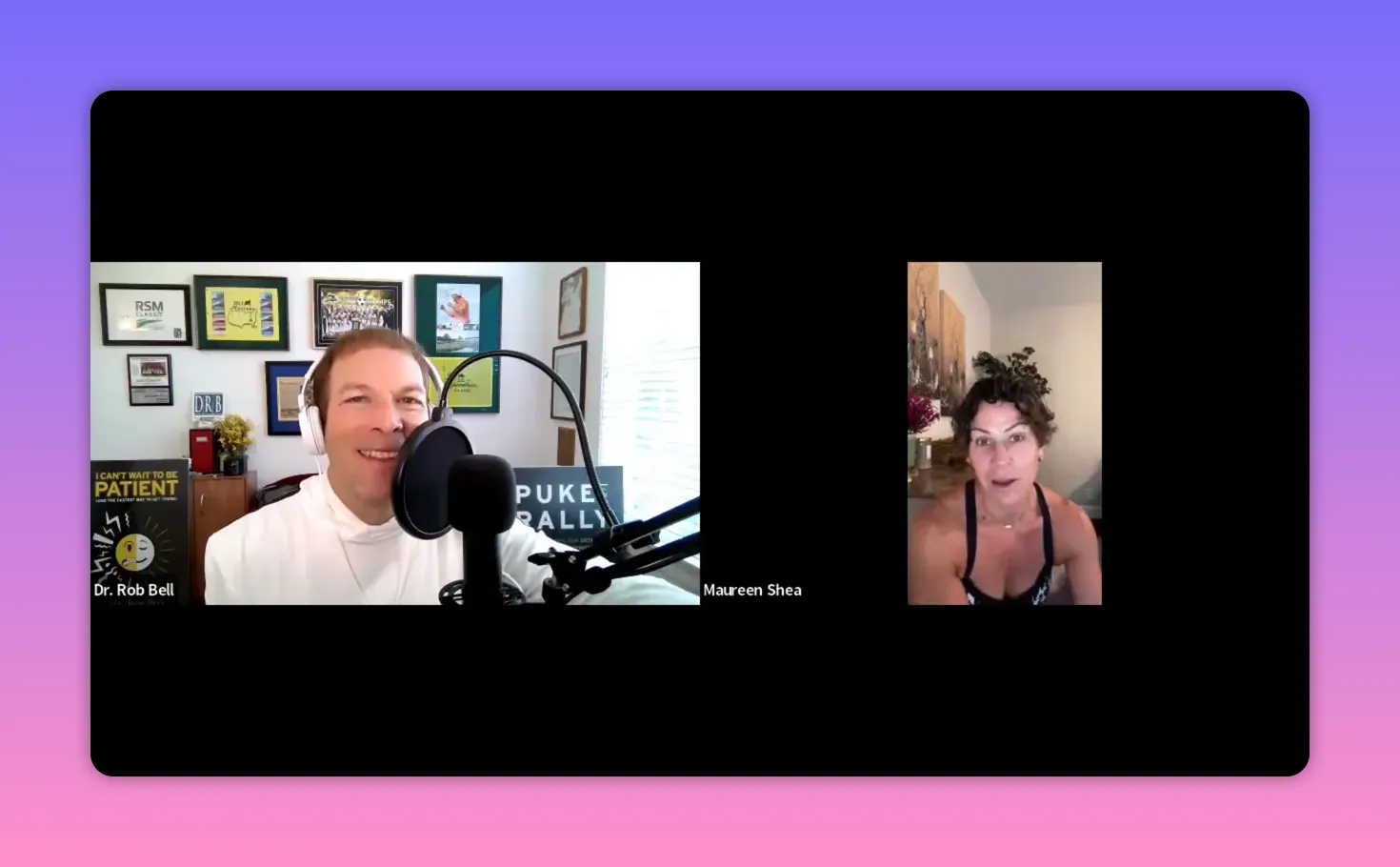
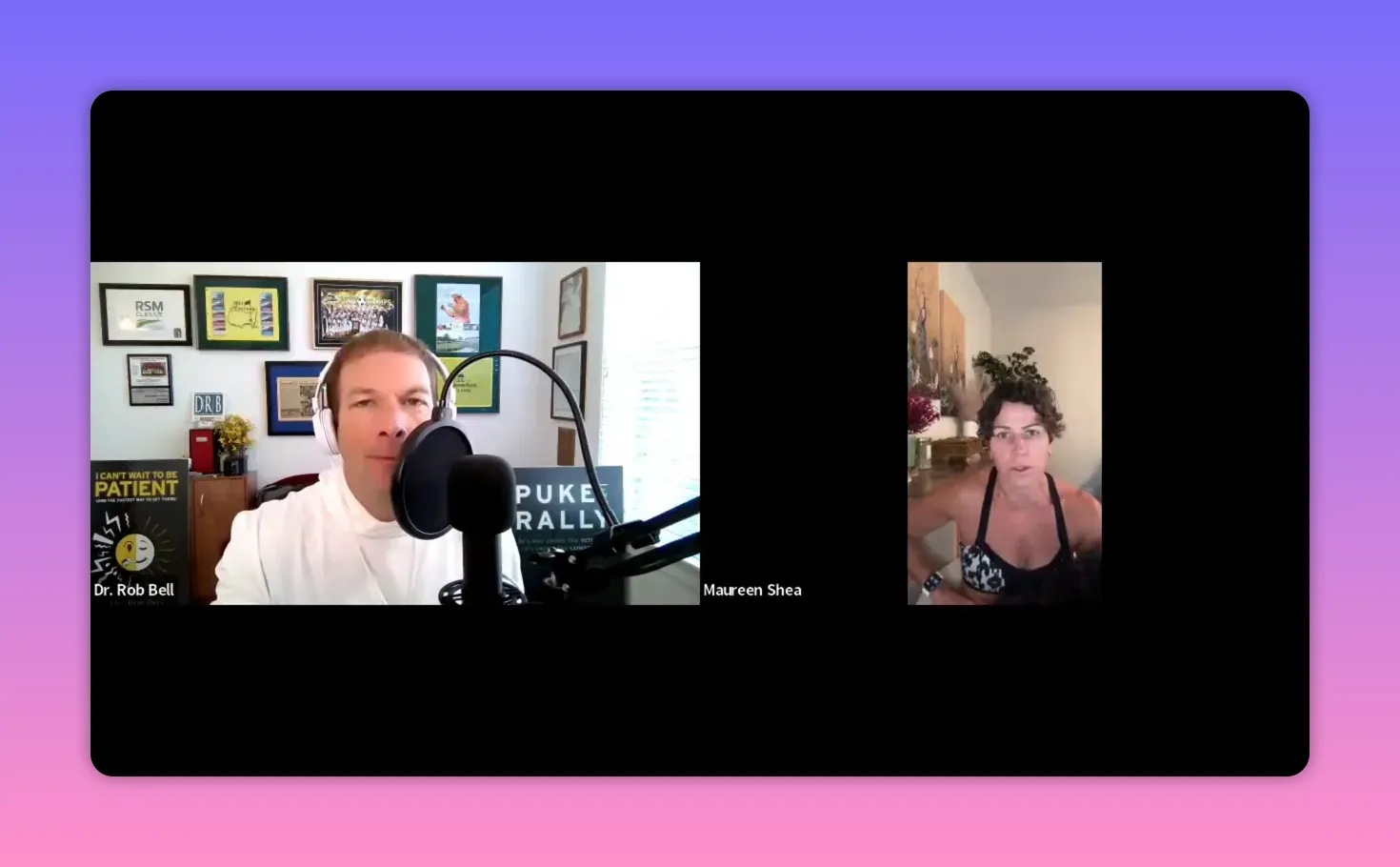
I interviewed Maureen Shea because she is a champion boxer. I wanted her on The Mental Toughness Podcast because it forces me to learn from people who have stared down hard, unexpected defeats and kept going.
This episode — a long conversation with Maureen Shea — landed like a roadmap: identity, crisis, small hinge moments, and the daily practices that build resilience. I’m sharing what I pulled from that episode and how you can apply the lessons whether you coach athletes, mentor young people, or just want a better way to face pressure.
The mental toughness podcast highlights: the fight is rarely only inside the ring.
The Mental Toughness Podcast episode with Maureen repeatedly shows how life outside the arena shapes what happens inside it. I’ll use that frame to organize nine practical lessons that helped me understand why Maureen became “the real million-dollar baby” and how she turned trauma into fuel.
Table of Contents
- 1. 🥊 Identity Is a Double-Edged Sword
- 2. 💬 When You Give Power Away, It’s Easier to Get It Back
- 3. 🏃♀️ Movement Is Medicine — Start Small
- 4. 🥇 Hinge Moments Don’t Look Like Hollywood
- 5. 🙏 Faith and a Bigger Story Can Carry You
- 6. 🛠 Resilience Is Built, Not Born
- 7. 🧭 Healthy Discomfort Versus Unhealthy Danger
- 8. 🤝 Mentoring and Giving Back Heals the Mentor
- 9. 🔁 Identity After Retirement Is Serious Work
1. 🥊 Identity Is a Double-Edged Sword
Growing up in a mixed Irish–Mexican family in the Bronx, Maureen learned early that identity can feel fractured. She spoke about being different and how that difference was both isolating and, eventually, powerful.
I recognized this: identity often becomes the lens through which we interpret every failure and success.
If identity feels like a weakness, it will behave like one.
If you reframe identity as a deep resource — cultural fluency, survivor mentality, or simply stubbornness — it becomes fuel.
Maureen’s bilingualism and border-crossing upbringing quietly primed her to connect with coaches, to improvise, and to keep showing up when others would have quit.
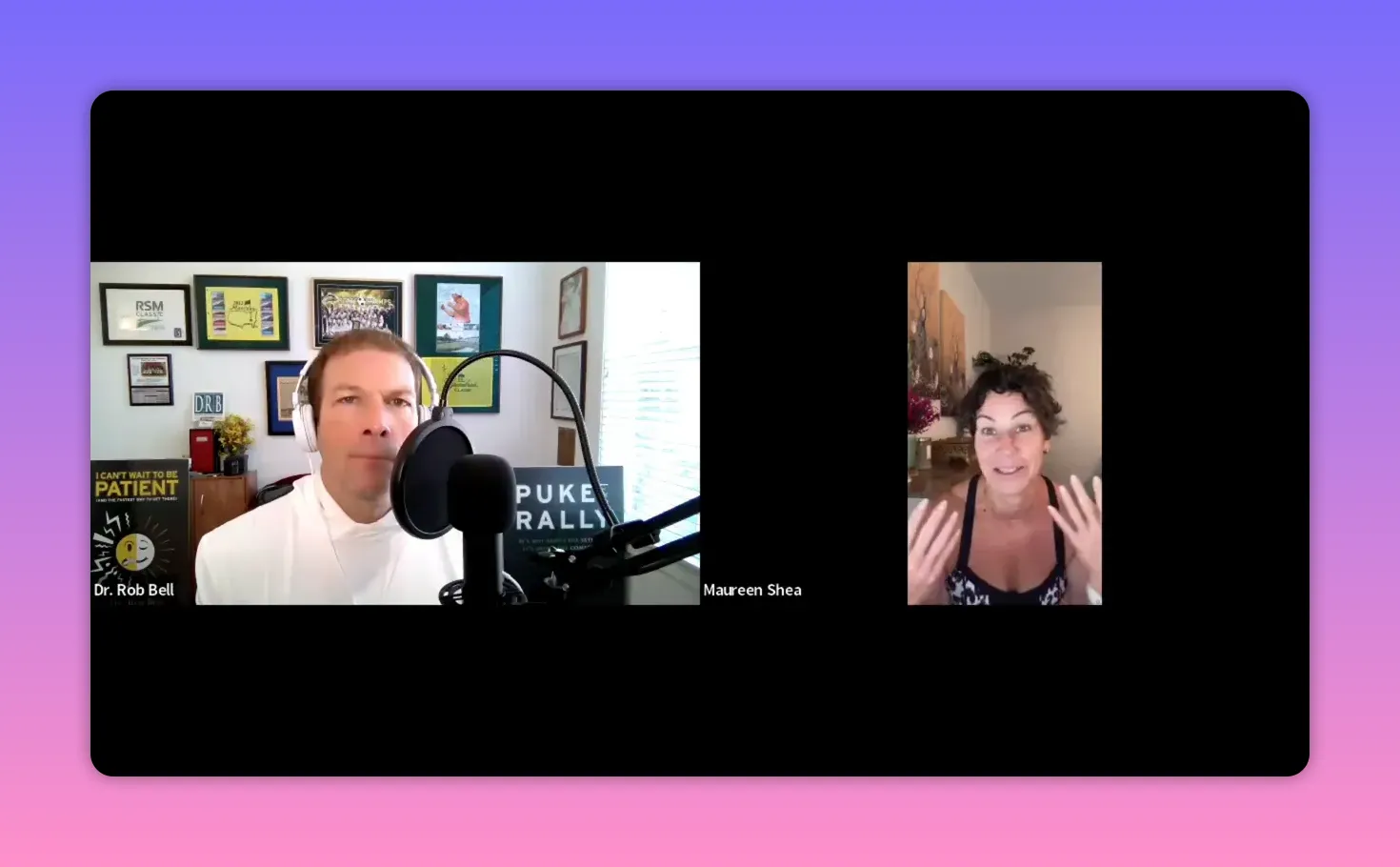
The Mental Toughness Podcast shows that how you tell your story matters. I try to ask myself: is my identity an explanation or an engine?
2. 💬 When You Give Power Away, It’s Easier to Get It Back
One line from the interview stopped me cold: “When you give it away, it’s easier to get it back, but when it’s taken away from you, it’s harder to get back.” That sentence reframes personal responsibility without blame. It’s not a moral judgment; it’s a map for reclaiming agency.
“When you give it away, it’s easier to get it back, but when it’s taken away from you, it’s harder to get back.”
Maureen talked candidly about an abusive relationship, codependency, and how she later had to interrogate her own choices. On the Mental Toughness Podcast she didn’t offer platitudes. Instead she described the practical work: therapy, boundary-setting, choosing to move, and creating rituals that signal “I am mine again.”
If you’ve ever felt powerless, start with one small decision you can own today. Power is not a single victory. It’s a trail of intentional moments.
3. 🏃♀️ Movement Is Medicine — Start Small
Movement repeated as a theme. Maureen traced her early life energy to endless laps around the house and an insistence from her parents to channel restless energy into sport. Later, movement helped her through depression and eating disorders.
On the Mental Toughness Podcast she said something I still repeat to people I coach: movement doesn’t promise instant identity change, but it reliably alters mood and self-trust. A walk, a ten-minute set of squats, or a short run is not a cure, but it is an opening move.
- Practical: Set a five-minute movement goal you can do today.
- Why it helps: Physical action creates proof. You become someone who shows up.
4. 🥇 Hinge Moments Don’t Look Like Hollywood
The place where Maureen’s path changed wasn’t a dramatic movie montage. It was literally the back of a gym — she followed a sound, found a ring, and a trainer asked if she wanted to try. That moment led her to training, to being discovered, and eventually to world title fights.
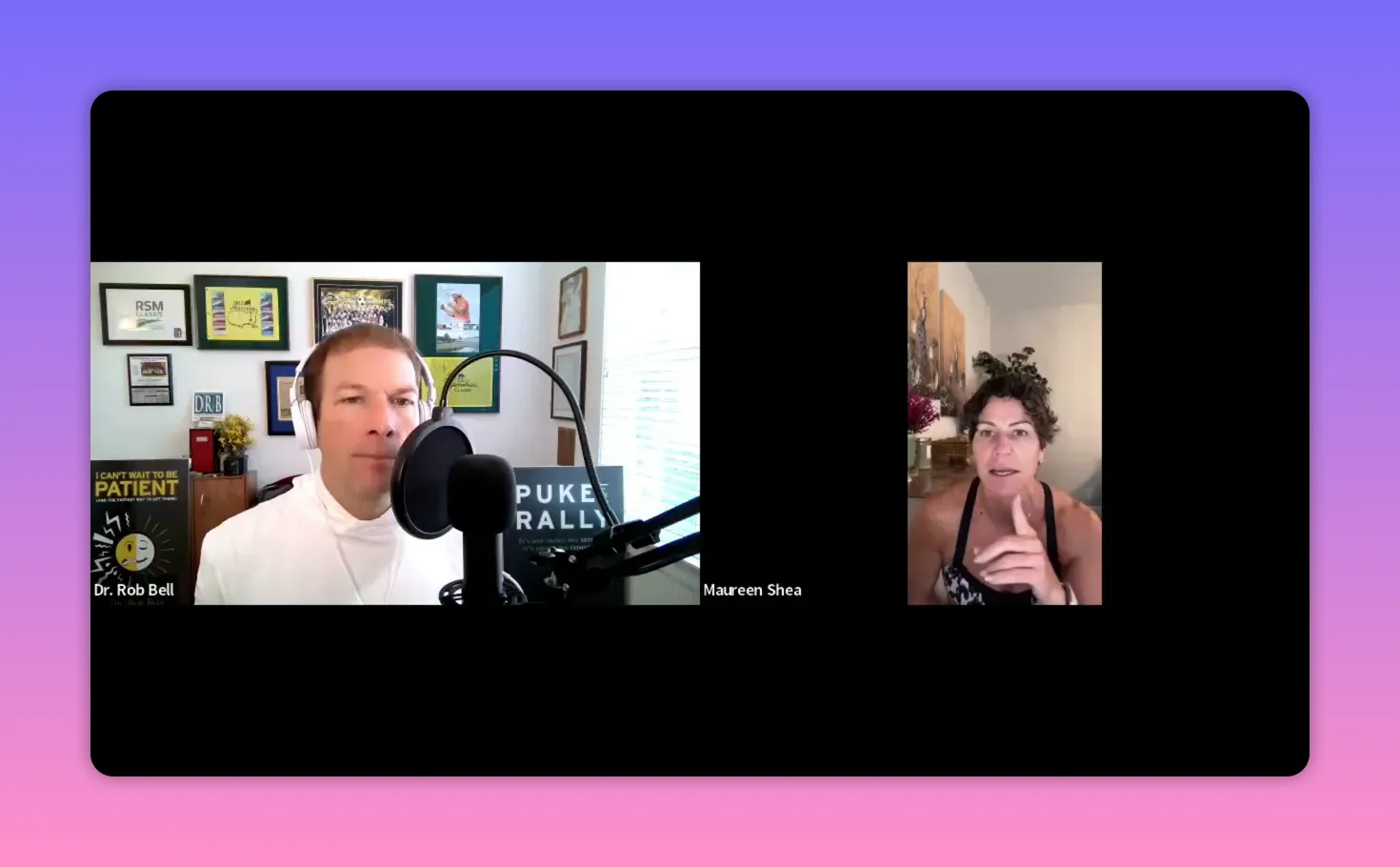
The Mental Toughness Podcast teaches me to scan for hinge moments: opportunities that are small and available right now. The key is not just waiting for them but being curious enough to step into the unknown when they appear.
5. 🙏 Faith and a Bigger Story Can Carry You
Maureen’s faith was not a decoration.
It was practical scaffolding. She described moments where a quiet belief — that she was prayed for, that life had a plan — kept her from making the final, fatal choice during suicidal despair.
On the Mental Toughness Podcast this came through as neither proselytizing nor platitude. Faith functioned as a narrative lens that reduced isolation and made small steps meaningful. If you don’t identify with religious faith, substitute any steady meaning maker: a purpose statement, a mentor, or a community that holds you accountable.
6. 🛠 Resilience Is Built, Not Born
She lost her first title opportunity under brutal circumstances: a blown eardrum, disorientation, and a stoppage with 30 seconds left in the fight. She lost again soon after. These were not career-ending defeats. They were forging heat.
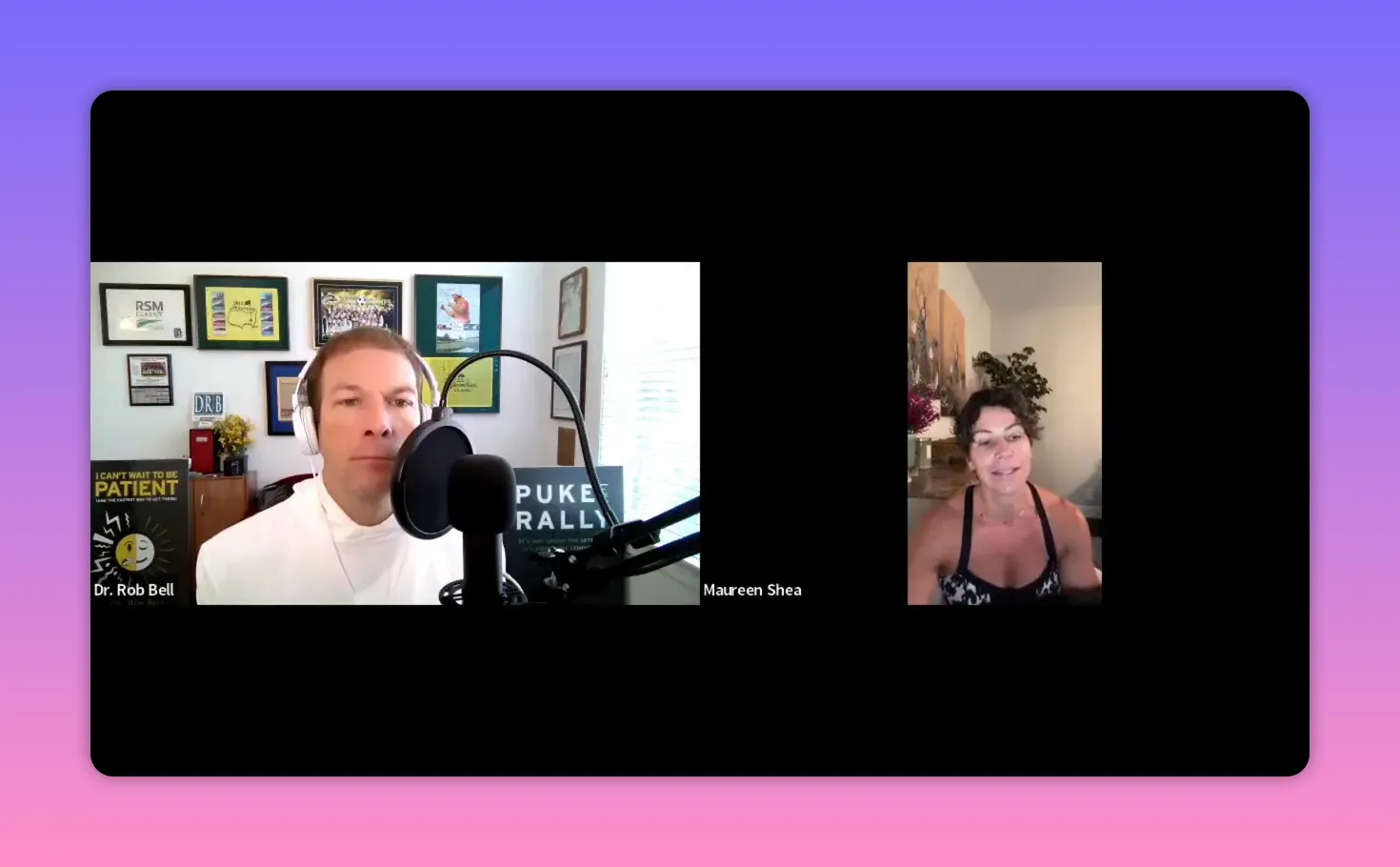
The Mental Toughness Podcast highlights that the sign of a resilient athlete is not an undefeated record. It’s how they return to the gym the next day, how they rewrite the narrative, and how they build reliability by doing small tasks well for a long time.
- Practice: After any setback, list three practical next steps and do at least one of them today.
- Result: Action dissolves rumination and creates new memory traces of competence.
7. 🧭 Healthy Discomfort Versus Unhealthy Danger
Maureen made a useful distinction: some discomfort is growth, some is harm. Stepping into a boxing gym, feeling the burn of hard work, and accepting temporary soreness are healthy. Staying in an abusive relationship is unhealthy and damaging by design.
The Mental Toughness Podcast episode forces a key question: what discomfort am I signing up for? Is it necessary friction or slow erosion? The answer determines whether the struggle will strengthen or destroy you.
8. 🤝 Mentoring and Giving Back Heals the Mentor
Maureen now coaches, commentates, and mentors. She told stories of putting post-it notes on her bathroom mirror reading “You are valuable. You are loved. You are beautiful.” Those rituals are simple, but passing them on to others gives them new depth.
The Mental Toughness Podcast repeatedly demonstrates that teaching someone else a skill clarifies that skill for you. When I mentor, I notice my own blind spots and rebuild confidence on a firmer foundation.
9. 🔁 Identity After Retirement Is Serious Work
Maureen reflected on athletes who struggle when the fight ends. A fighter’s identity can be all-consuming. When the arena no longer defines you, the transition can be brutal.
The Mental Toughness Podcast episode reminded me that preparing for exit is part of being a mature competitor. That can mean building a second skill, nurturing relationships outside the sport, or finding causes that give a new kind of fulfillment.
How I Use These Lessons in Practice
- Start with one small action: a five-minute walk after a setback.
- Reframe identity as resource: list three things your background gives you.
- Choose healthy discomfort: write down what growth looks like and what harm looks like.
- Give one thing away: mentor or teach something small and notice how it steadies you.
I come back to the Mental Toughness Podcast not because it glorifies toughness but because it restores nuance. Toughness without tenderness leads to burnout. Resilience without reflection leads to repeating mistakes. Maureen’s story is messy, powerful, and instructive. She teaches the two most important habits of elite performers: keep going and keep doing the inner work.
If you remember nothing else from this episode, remember this: the fight you win most often is the one you choose to fight again. That choice looks small. It looks like a gym at the end of a city block, it looks like a post-it note on a mirror, and it looks like taking one step when you want to stop. That is the work the Mental Toughness Podcast highlights and the work Maureen Shea modeled with courage.
I keep a note in my journal with one of Maureen’s lines: “Start over every day. Every second you can start again.” It’s practical, merciful, and true.
Follow that structure and you will find hinge moments. You will still get knocked down, but you will also learn how to stand back up differently each time.

Dr. Rob Bell is a Sport Psychology Coach. DRB & associates coach executives and professional athletes. Some clients have included three different winners on the PGA Tour, Indy Eleven, University of Notre Dame, Marriott, and Walgreens.
- Check Out All The Books
- Keynote Speaking On Mental Toughness
- Mental Toughness Podcast as we interview expert athletes and coaches about Mental Strength and their Hinge Moment.
- New Blog Posts are published weekly.
- Follow on Twitter @drrobbell
- Follow on Instagram @drrobbell