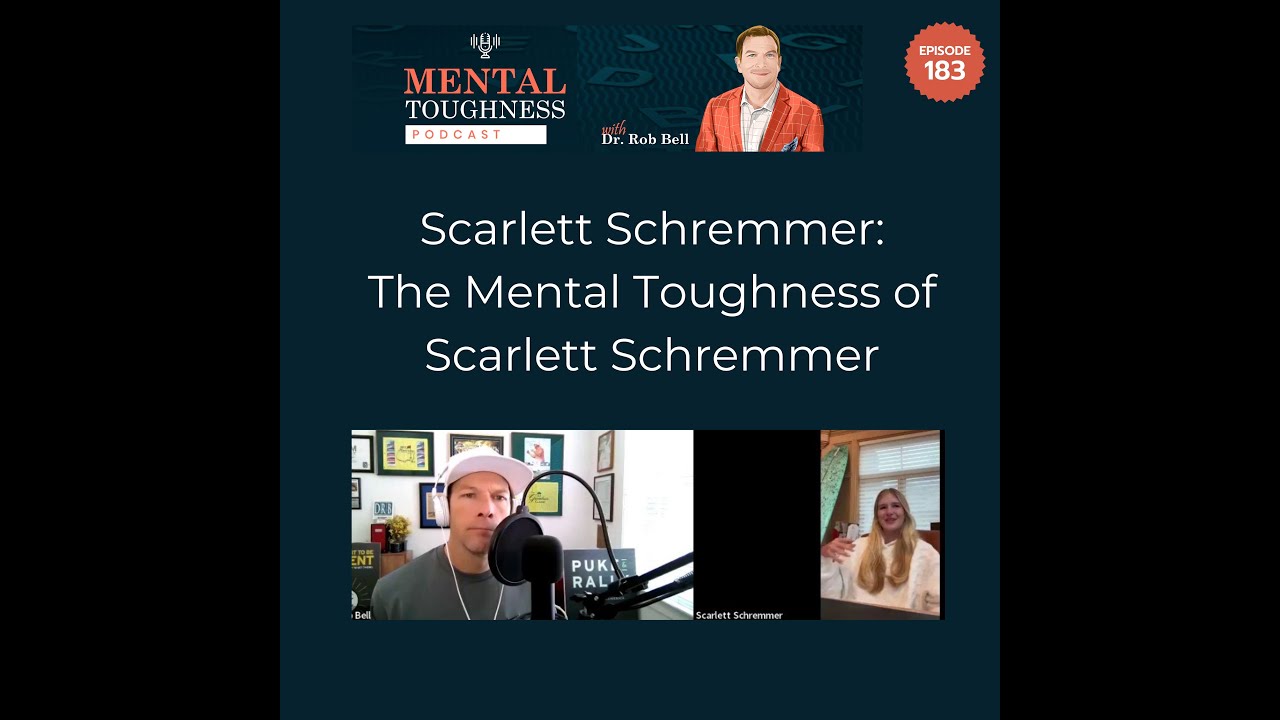
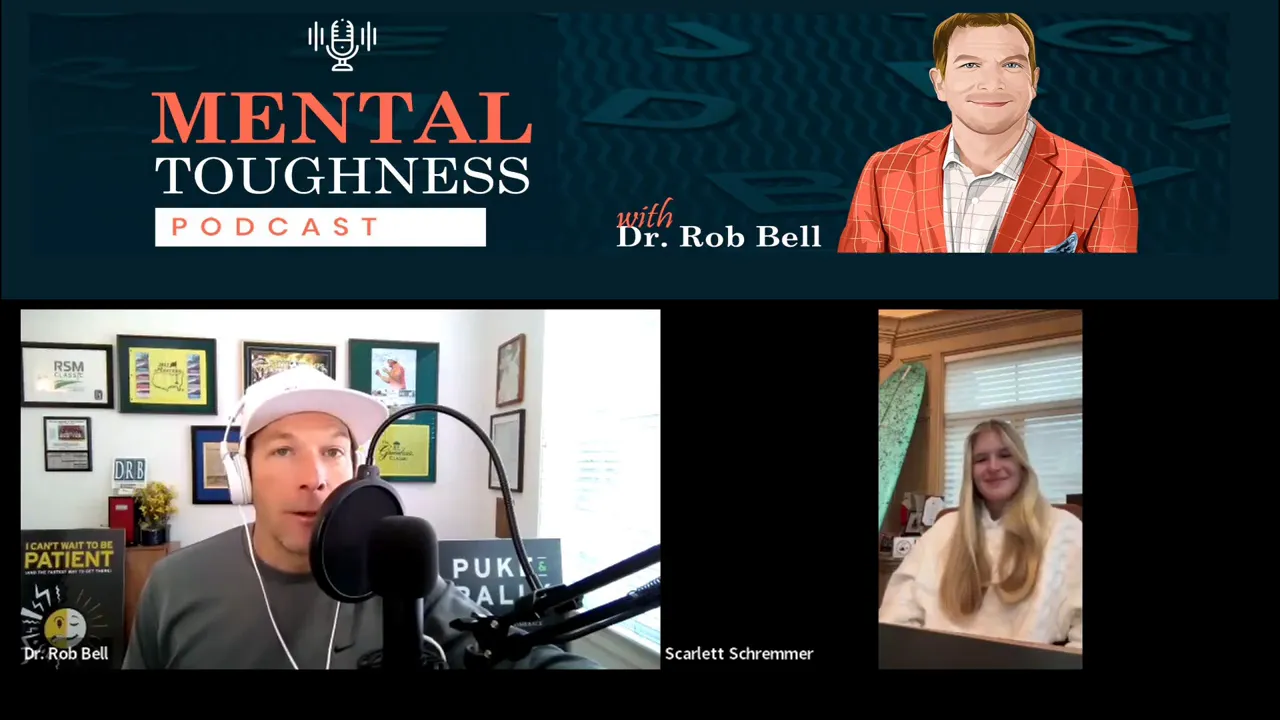
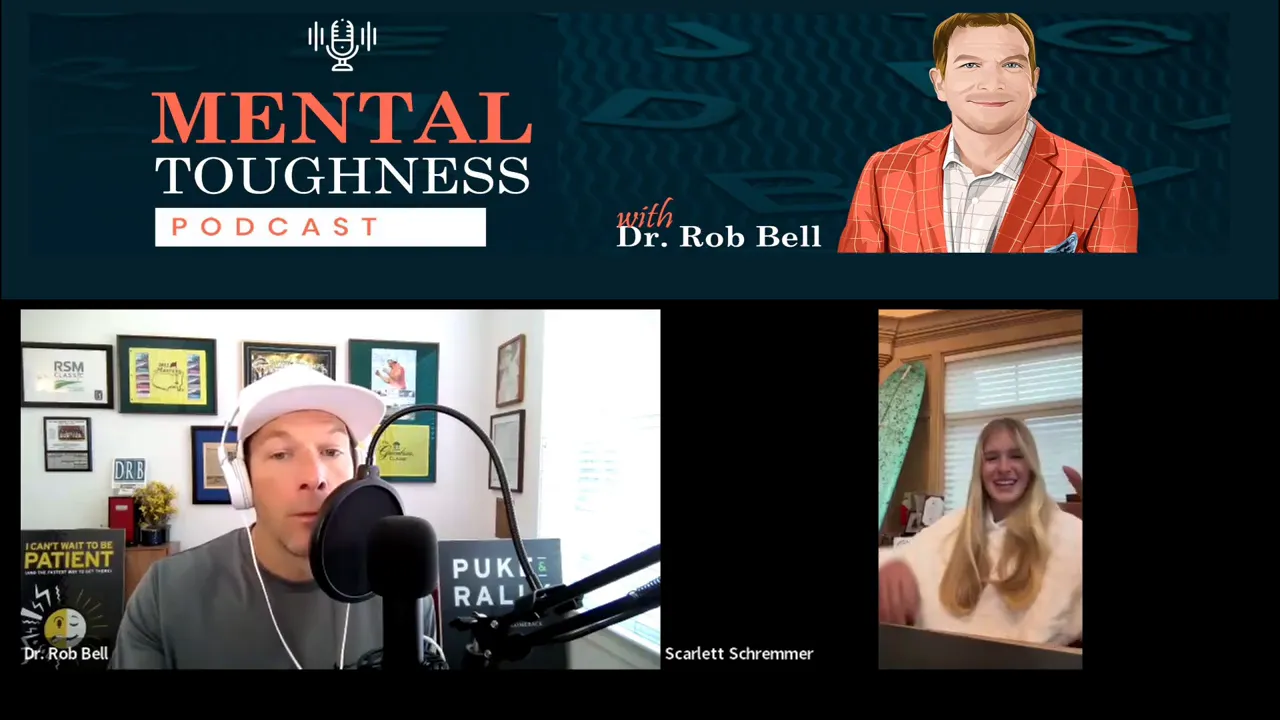
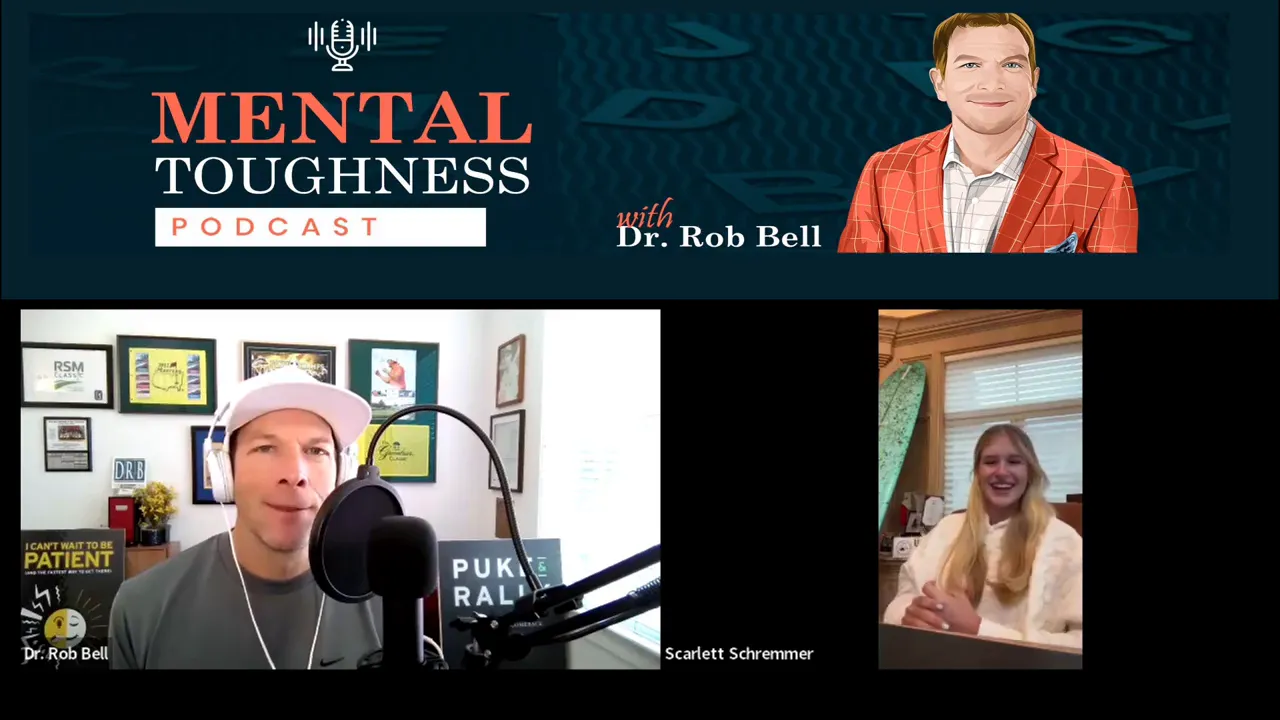
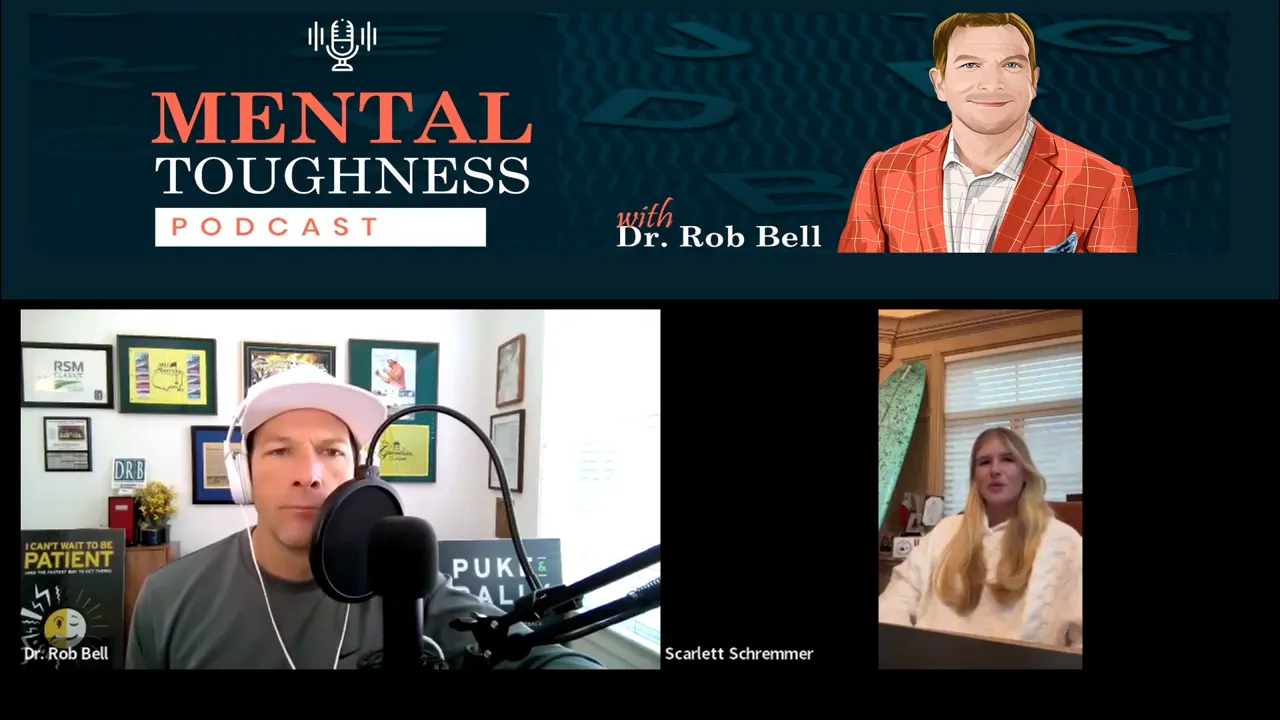
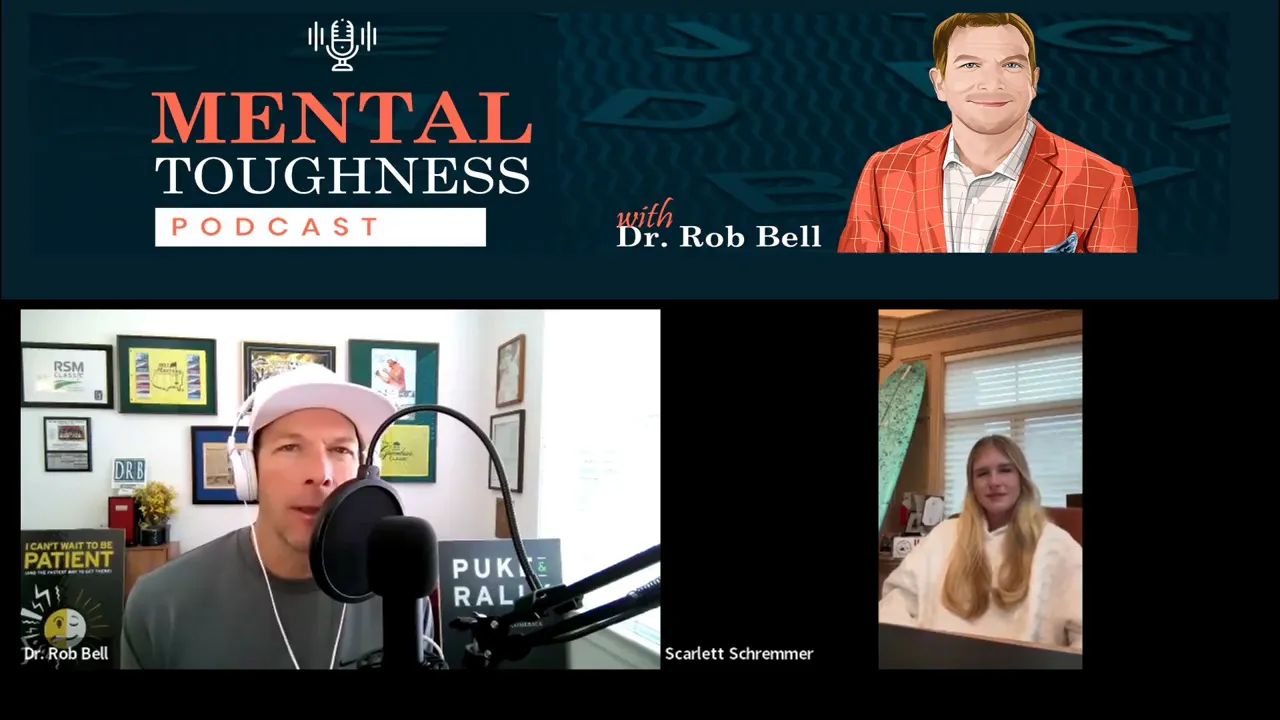
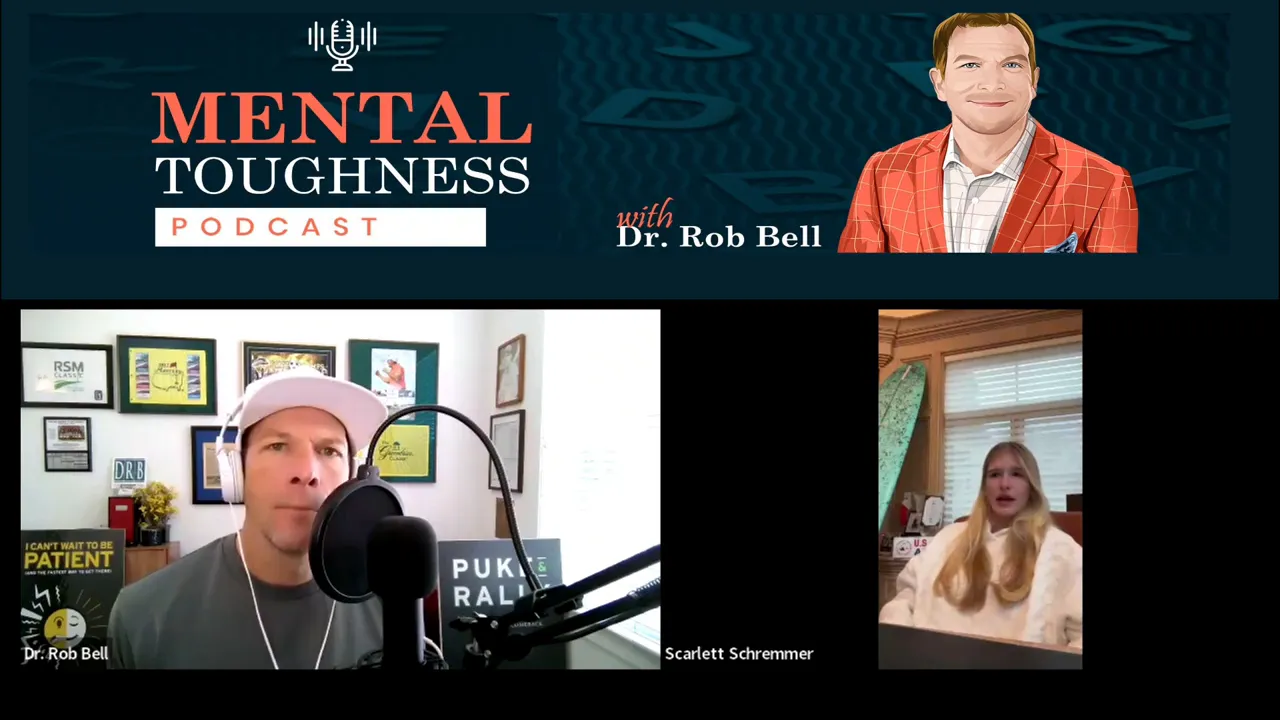
I invited Scarlett Schremmer onto the podcast because her story lives at the intersection of surfing, family, faith, and elite golf.
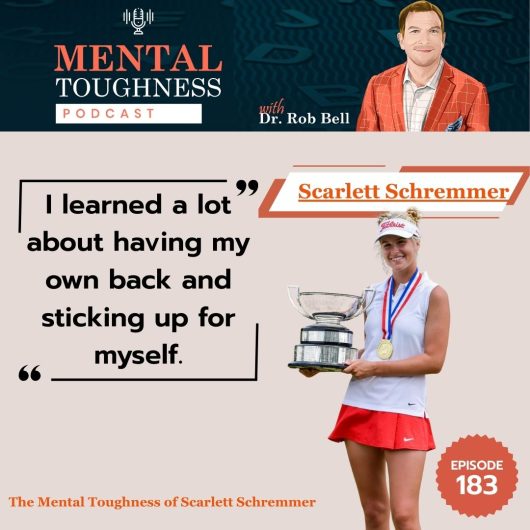
On the mental toughness podcast I asked about the moments that shaped her approach to competition, and I found her practical understanding of the game to be impressive. This post pulls together the mental habits, practice frameworks, and life lessons Scarlett uses to perform under pressure and keep perspective.
Table of Contents
- 🌊 Beginnings: Hawaii, Surfing, and a Competitive DNA
- ⛳ From Wave Balance to Swing Balance
- 🏋️ Training Smart: Productivity, Power, and Recovery
- 🧠 The Mental Game: Damage Control and Trusting Intuition
- 🤝 Coaches, Teams, and the Power of Environment
- 🙏 Faith, Family, and Perspective
- 🎓 Recruiting, College, and Finding the Right Fit
- 🏆 Messages for Young Players
- 🔥 Final Thoughts from the Podcast Host
🌊 Beginnings: Hawaii, Surfing, and a Competitive DNA
Scarlett Schremmer grew up in Hawaii, competing in surf contests almost every weekend from age five to twelve. That early immersion taught her two things that now define her golf: an acceptance of risk and a comfort performing alone under pressure.
She described how the sibling training dynamic—with sisters who became pro surfers—created relentless daily work but also a protective bond that made competing feel purposeful rather than lonely.
Surfing at places like Snapper Rocks taught Scarlett to read conditions, manage fear, and act decisively. A childhood shark encounter at Snapper Rocks still surfaces in her recollections: the adrenaline rush hardened her ability to stay calm when things go sideways—an asset she later leaned on at Augusta and other golf events.
⛳ From Wave Balance to Swing Balance
Movement and balance from surfing translated into a surprising advantage for Scarlett’s swing. She credits time in the gym with her surf coach for developing lower-body strength and balance. But more than biomechanics, the competitive experience mattered most. Competing in solo sports—surfing and golf—teaches a mental rhythm: focus on process, execute the next action, and move on.
Scarlett Schremmer told me, “Competing is competing.”
That simple truth is why she could pick up golf tournaments at 13 or 14 and feel comfortable in pressure moments; she had already learned how her mind behaves under stress.
🏋️ Training Smart: Productivity, Power, and Recovery
Scarlett’s approach to practice emphasizes productive work over mindless volume. With a trainer named Tyler she focuses on explosive lifts and box jumps to increase speed and power in the swing. Those short, high-quality sessions are paired with deliberate recovery—time away from the course where she truly detaches and refuels emotionally by reading, playing with her dog, and going to church.
Key practice takeaway: measure productivity not by hours but by outcomes. When Scarlett Schremmer is on the course she has “blinders on”—full commitment during training and full recovery afterward.
🧠 The Mental Game: Damage Control and Trusting Intuition
One of the most useful tactical tools Scarlett described is what she calls “damage control golf.” With Coach Zambry and the U.S. National Junior Team she learned processes to manage the days when the swing betrays intent: pick targets, accept your misses, and plan the next shot accordingly.
“You don’t always have to get rid of the miss. You just have to know what it’s going to be and sometimes you need to know when it’s coming.”
That philosophy reframes mistakes as data.
Scarlett Schremmer has a mental toughness that is evident that she trusts her intuition when the feel is off—clubbing up or down, playing away from trouble, or leaning into a controlled shot. Knowing your predictable misses makes you more resilient and strategic on the course.
🤝 Coaches, Teams, and the Power of Environment
Scarlett credits the U.S. National Junior Team and coaches like Zambry with elevating her game beyond mechanics. The team setting forced honest comparisons and created standards that pushed her to improve. Zambry’s testing identified clear priorities—short game strength, long-iron work—and Scarlett used that feedback to structure practice and fitness.
She also learned that belief matters. Being in an environment where people truly back you builds the mental toughness needed to handle college and national competition. I asked how much that environment changed her. She was candid: it made her tougher, forced consistency in practice, and taught her how to compartmentalize the chaos off the course so she could focus on the work at hand.
🙏 Faith, Family, and Perspective
Beyond swing changes and gym sets, faith and gratitude are central to Scarlett’s resilience. She described growing closer to her faith in the last few years and using it as an anchor when golf felt overwhelming. Family—especially her mother, a former LPGA player—provided practical coaching and the emotional scaffolding to push through hard stretches. Scarlett learned to “stack days” and see each practice as an investment, not a burden.
🎓 Recruiting, College, and Finding the Right Fit
Recruiting came fast and loud for Scarlett Schremmer. She originally committed to Miami, then navigated offers from Texas, Texas A&M, and others. The process taught her to prioritize environments where coaches and teammates believe in her. Her time at Texas A&M gave her structure and discipline, but she realized she needed balance: life outside golf reduces overthinking and protects long-term joy for the sport.
🏆 Messages for Young Players
Scarlett’s advice for kids dreaming of elite golf is both realistic and hopeful. She insists that talent is not the whole story: persistence, daily improvements, and patience are what separate long-term winners. She encourages young players to:
- Visualize small successes to build motivation.
- Learn your misses and plan around them.
- Keep perspective—family and balance matter more than trophies.
- Own the process—no one can take your game away from you if you keep improving.
I asked about whether she loves winning more than she hates losing. Her answer revealed a mature approach: loving the chase is stronger than fear of loss, and she won’t beat herself up if she knows she gave everything to the process.
🔥 Final Thoughts from the Podcast Host
As the host I can say this: conversations like the one I had with Scarlett are why I produce the mental toughness podcast. Scarlett Schremmer has a mix of competitive fire, practical process, faith, and family perspective makes her not only a compelling athlete but a model for anyone chasing excellence in any field. I found her understanding of the game to be impressive—she balances technical work with emotional resilience in a way many players only learn later in their careers.
What should young golfers focus on first?
Build daily habits that produce small, measurable improvements. Focus on short game, fitness, and mental routines that help you manage pressure.
How did surfing help Scarlett in golf?
Surfing developed balance, leg strength, and a calmness under risk. The competition experience taught her how her mind behaves under pressure, which transferred directly to golf.
How does Scarlett avoid burnout?
By focusing on productive practice, scheduling recovery away from the course, and maintaining interests—family time, faith, and hobbies—that keep golf in perspective.
Why is environment important in college recruiting?
A supportive environment with coaches and teammates who believe in you accelerates development. It provides structure, honest feedback, and emotional support when competition gets hard.
What simple mental tool does Scarlett use during bad days?
Damage-control golf: pick safe targets, accept predictable misses, and plan the next shot to minimize harm and create a pathway back to scoring.
Book Dr. Rob Bell To Speak |
|
“Let’s chat” |
| Click here |

Dr. Rob Bell is a Sport Psychology Coach. DRB & associates coach executives and professional athletes. Some clients have included three different winners on the PGA Tour, Indy Eleven, University of Notre Dame, Marriott, and Walgreens.
- Check Out All The Books
- Keynote Speaking On Mental Toughness
- Mental Toughness Podcast as we interview expert athletes and coaches about Mental Strength and their Hinge Moment.
- New Blog Posts are published weekly.
- Follow on Twitter @drrobbell
- Follow on Instagram @drrobbell