Table of Contents
- 🎙️ Introduction
- 🏆 Playing Better as a Coach
- ⛳ What Good Golf Really Is
- 🌨️ Culture, Consistency & Facilities
- 👥 Leadership on a Team Sport
- 👪 Advice for Golf Parents & Staying Present
- 🔚 Conclusion
🎙️ Introduction
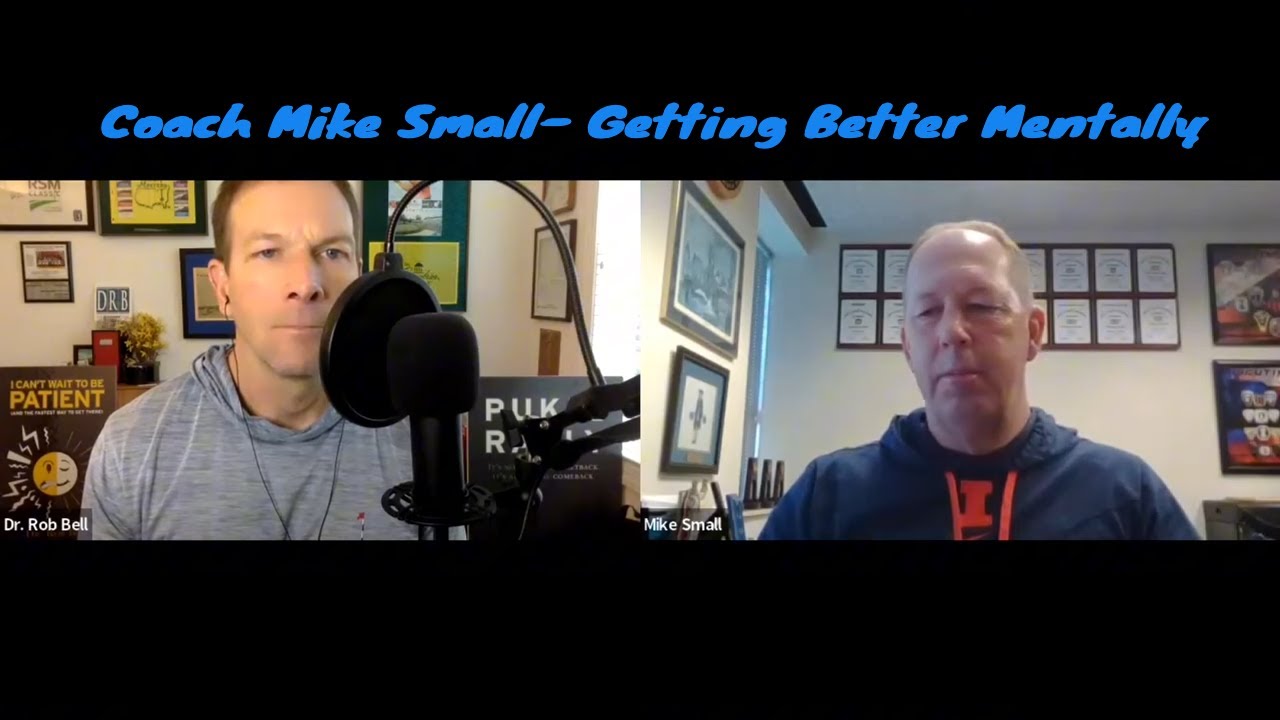
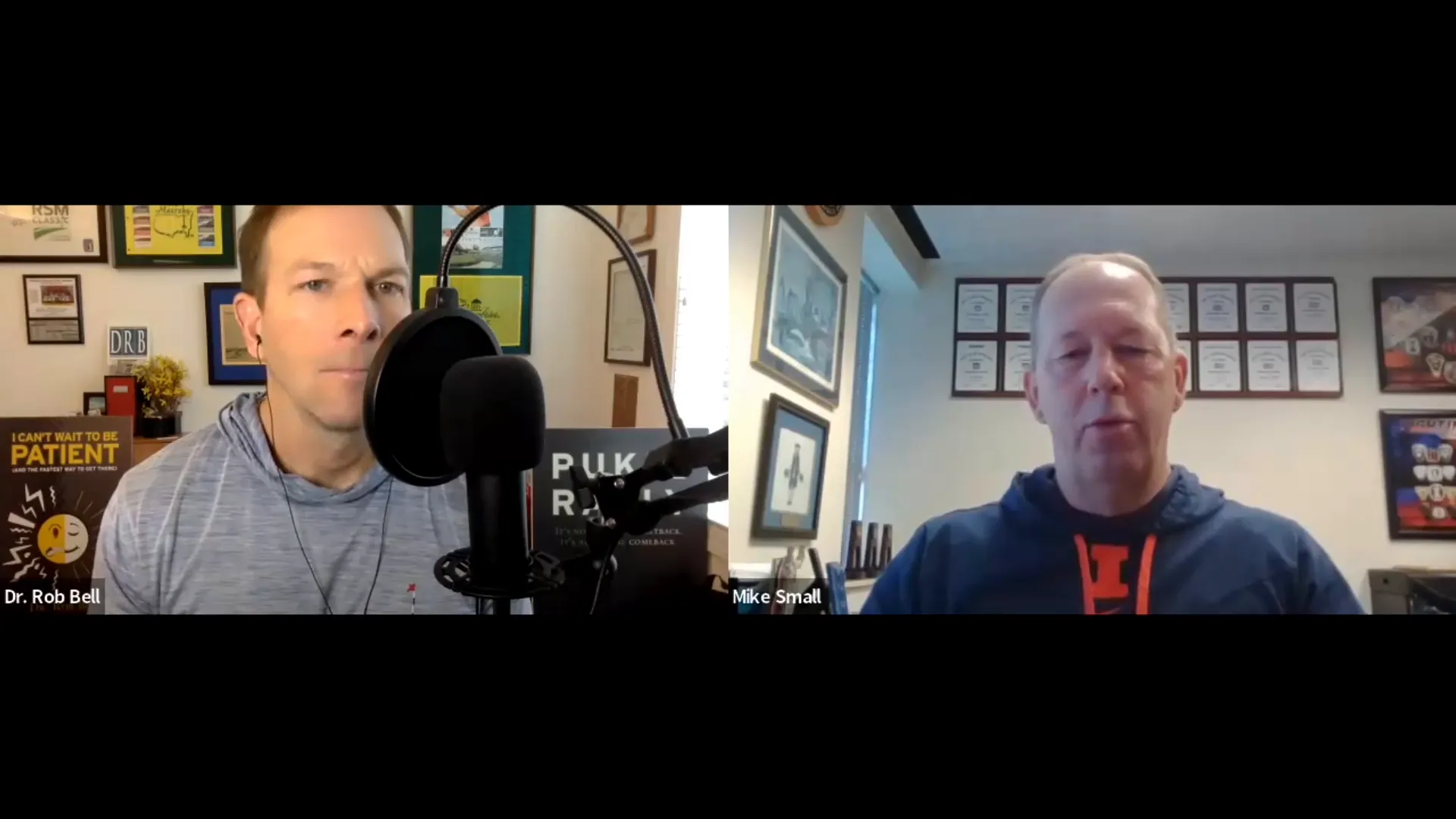
Dr. Rob Bell sits down with Coach Mike Small in a candid conversation on the Coach Mike Small, Mental toughness podcast to explore why one of college golf’s most successful coaches often plays better as a coach than he did as a touring professional. The episode is full of practical lessons about consistency, culture, emotional control, and the day-to-day habits that build champions. Below is an edited interview-style recap that captures the key ideas and memorable quotes from Coach Small.
🏆 Playing Better as a Coach
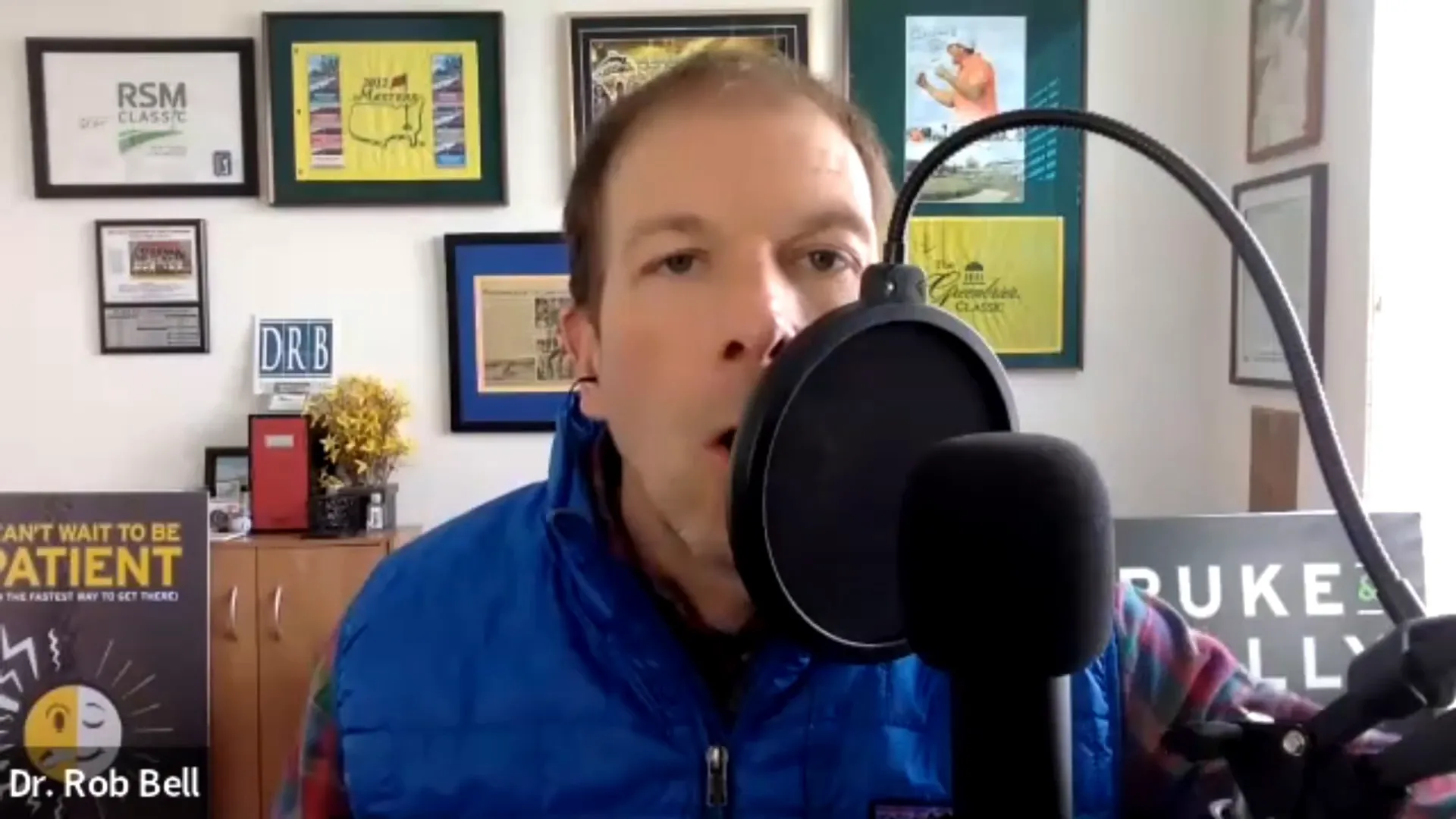
Rob: You’ve said you played better as a coach than when you were grinding on tour. What changed?
Mike: Coaching put my own game on the back burner and forced me to see golf differently. When you stop obsessing about outcome and instead teach and problem-solve, everything tightens—physically, mentally, emotionally. I learned more about the game by coaching others, and when I competed again my focus was calmer. I made over half the cuts I entered while coaching, a higher percentage than when I was a full-time player.
⛳ What Good Golf Really Is
Rob: You often talk about “knowing what good golf is.” Can you unpack that?
Mike: Good golf is efficiency and self-knowledge. It’s knowing your emotional bandwidth, controlling ball flight and height, distance control, wedge play and short game, and being steady on your bad days. The best players’ bad days are still better than most people’s average days. The goal is to raise your standard so you can hit it more often than anyone else.
“Good golf is getting your standard good enough and hitting that standard more often than other people hit theirs.”
🌨️ Culture, Consistency & Facilities
Rob: How do you turn Midwest winters into an advantage?
Coach Mike Small: You can’t control weather, but you can control mindset and environment. Illinois built facilities that make practice harder and more productive. We use the limited indoor months to train with intensity and accountability, surrounding players with positive, optimistic people who push each other. Consistency in habits narrows the gap between best and worst—greatness equals consistency.
Rob: You emphasize ownership—players must own successes and failures. How do you teach that?
Mike: From recruiting onward we make it clear: it’s your game and your education. Coaches provide structure, but players must accept responsibility. That means problem-solving, asking for help, and avoiding a victim mindset. If a player averages 69 and wins, they own it. If they spiral to 75 and stop improving, that ownership belongs to them as well. Learning to take responsibility is a life skill, not just a golf skill.
👥 Leadership on a Team Sport
Rob: Golf is individual and team at once. How do you foster leadership?
Mike: Leadership is hard to find, especially when players haven’t played many team sports. He prefers organic leaders—those who naturally hold themselves accountable and lead by example. He deliberately stopped naming captains 25 years ago to encourage everyone to act like a leader. When leadership is shared, culture strengthens and the team executes even when the coach isn’t present.
👪 Advice for Golf Parents & Staying Present & Patient
Rob: What do golf parents need to know?
Coach Mike Small: Parents love their kids unconditionally, but they must learn to step back. Give athletes support and resources, then allow them to succeed or fail. Kids need ownership to develop will, resilience, and independence. Parents should also have lives of their own—over-involvement often stunts the child’s growth.
Rob: If you could give one final piece of advice—what is it?
Mike: Stay in the present. What’s next matters, but obsessing about past results or distant outcomes is wasted energy. Focus on today, on the process, and on the small habits that compound. That mindset helps players, coaches, and parents live better, perform better, and enjoy the game more.
🔚 Conclusion
Coach Mike Small’s conversation on the Coach Mike Small, Mental toughness podcast is a masterclass in how culture, consistency, ownership, and presence shape great athletes and people. He shows that coaching can sharpen your own game, that “good golf” is steadiness and self-knowledge, and that healthy environments—both at home and in program facilities—are non-negotiable. For anyone interested in mental toughness, leadership, or developing sustained performance, Coach Small’s lessons are practical and timeless.
Search and follow the Coach Mike Small, Mental toughness podcast episode with Dr. Rob Bell for the full conversation and deeper stories from a coach who’s built champions.

Dr. Rob Bell is a Sport Psychology Coach. DRB & associates coach executives and professional athletes. Some clients have included three different winners on the PGA Tour, Indy Eleven, University of Notre Dame, Marriott, and Walgreens.
- Check Out All The Books
- Keynote Speaking On Mental Toughness
- Mental Toughness Podcast as we interview expert athletes and coaches about Mental Strength and their Hinge Moment.
- New Blog Posts are published weekly.
- Follow on Twitter @drrobbell
- Follow on Instagram @drrobbell