For financial advisors, Pressure and Performance in Wealth Management is not an abstract idea. It shows up in market selloffs, anxious client calls, leadership decisions, team culture, public communication, and the constant need to stay calm when other people are not. Advisors who perform well under pressure do more than pick investments. They manage emotions, maintain trust, and help clients avoid costly mistakes.
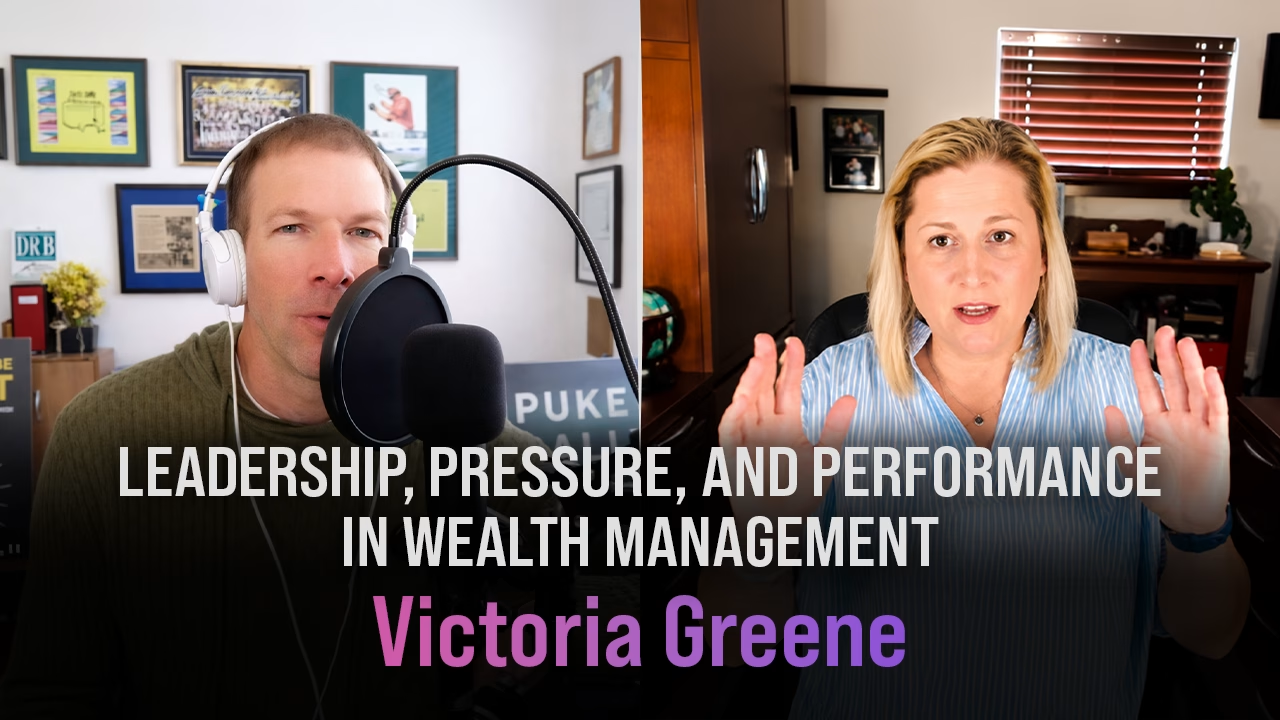
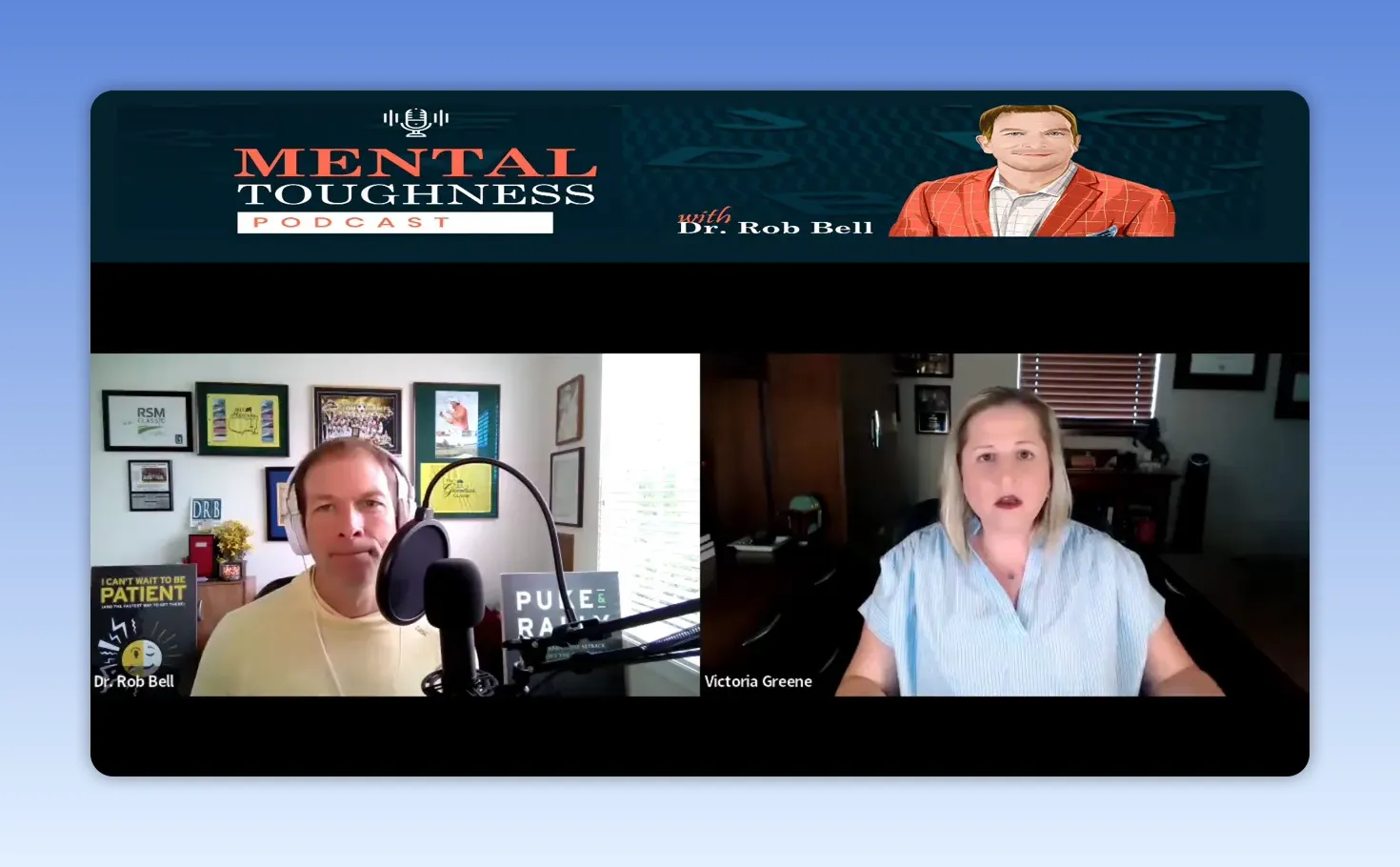
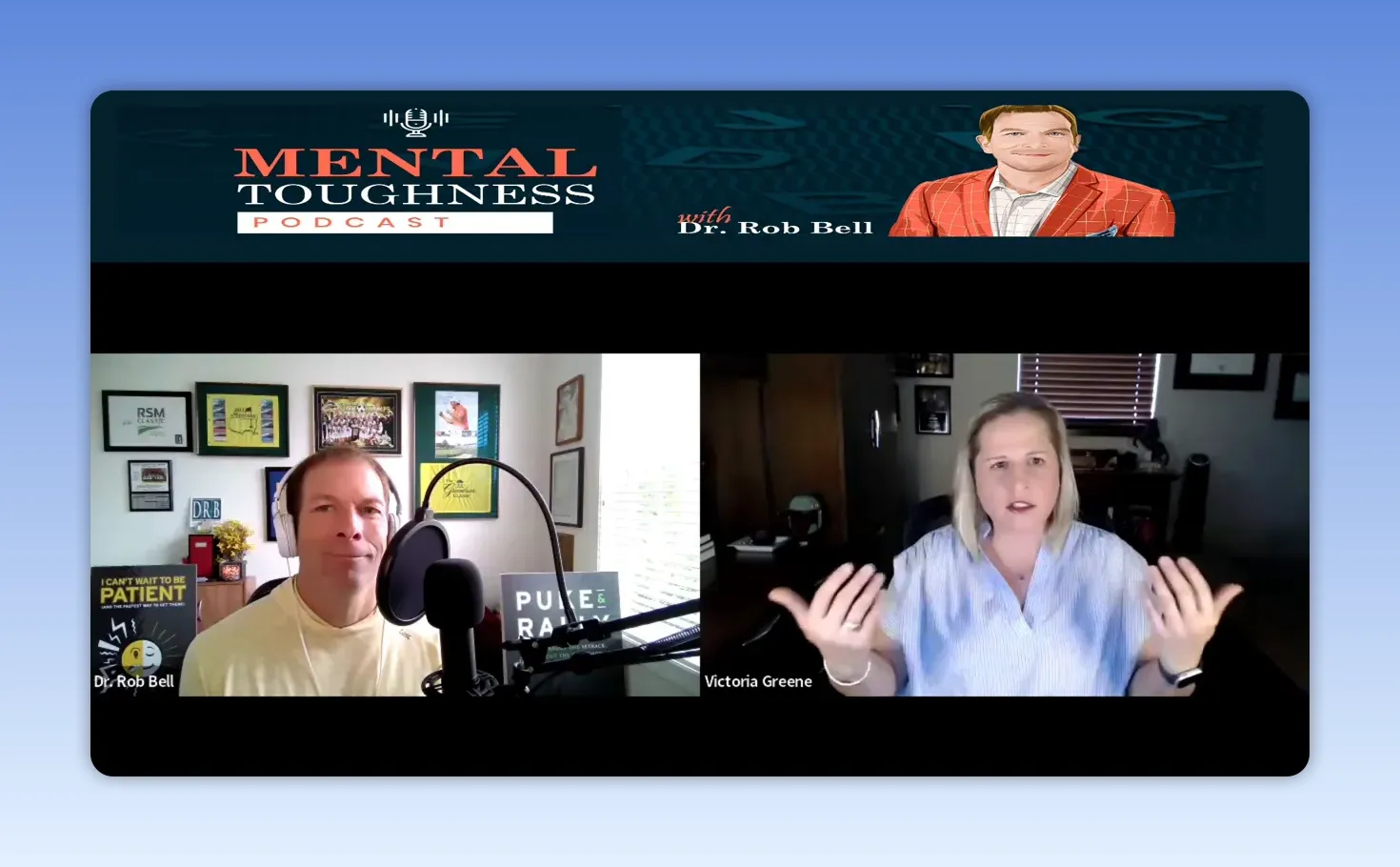
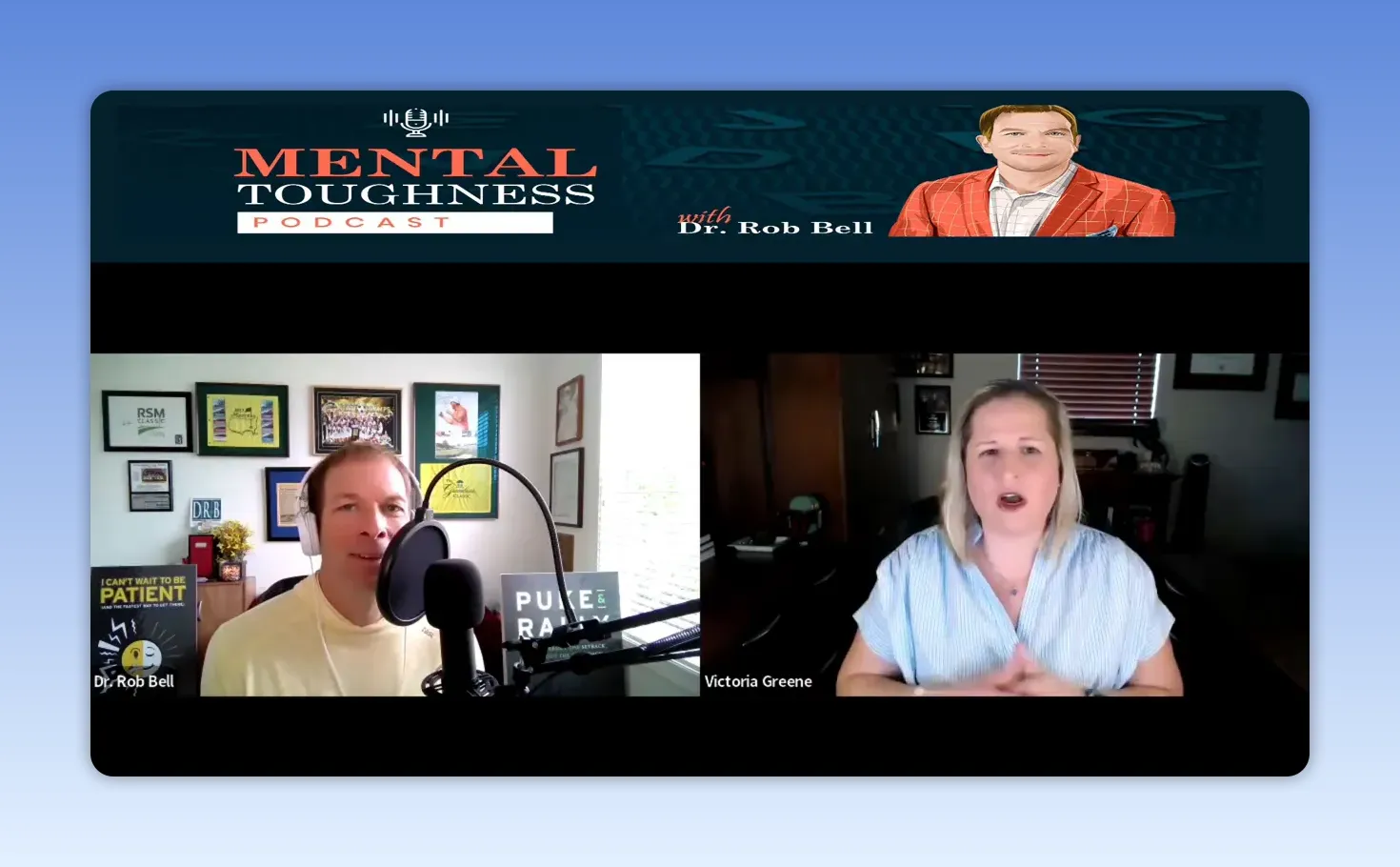
In this mental toughness podcast interview with Victoria Greene, we explore practical lessons for advisors who want to improve Pressure and Performance in Wealth Management. The focus is on emotional discipline, client communication, leadership, resilience, and the mindset required to operate well when stakes are high.
Table of Contents
- 📈 Why does Pressure and Performance in Wealth Management matter so much for advisors?
- 🧠 How should advisors handle emotional clients during market stress?
- ⏳ What does long-term discipline actually look like in practice?
- 🌅 Does personal routine affect professional performance?
- 🎯 How does perfectionism hurt Pressure and Performance in Wealth Management?
- 🎙️ How can advisors perform better in public speaking, media, and client presentations?
- 👥 What does strong leadership look like inside a wealth management firm?
- 🏢 How do we build a high-performance culture without burning people out?
- 💼 How should female advisors navigate credibility, confidence, and self-advocacy?
- 🛠️ What mindset helps advisors stay resilient over a long career?
- 🤝 What practical habits make advisors more effective under pressure?
- ✅ Final takeaway on Pressure and Performance in Wealth Management
📈 Why does Pressure and Performance in Wealth Management matter so much for advisors?
Q: Why is pressure such a defining part of wealth management?
Because clients rarely judge us only by returns.
They also judge us by how we respond when markets are volatile, headlines are alarming, and emotions are running high. In wealth management, pressure is not occasional. It is built into the job.
Advisors are expected to do several difficult things at once:
- Interpret uncertain markets
- Communicate clearly under stress
- Prevent emotional decisions
- Lead clients with confidence but not arrogance
- Keep teams focused during demanding periods
That is why Pressure and Performance in Wealth Management depends as much on mindset and leadership as it does on technical skill. Facts matter. Allocation matters. But composure matters as well.
🧠 How should advisors handle emotional clients during market stress?
Q: What is the biggest mistake advisors make when clients panic?
A common mistake is assuming more data will solve an emotional problem. When a client is afraid, a spreadsheet alone usually will not calm them down. Panic is emotional, not intellectual.
That means advisors need to ask better questions before they start giving better answers.
Helpful questions include:
- What specifically worries you right now?
- Is this fear about the market, or something happening in your personal life?
- Are you reacting to headlines, portfolio values, or uncertainty about future spending?
- What loss would feel painful in real dollars, not just percentages?
This is one of the most useful ideas in Pressure and Performance in Wealth Management. Clients often say they can handle risk in theory. But their real tolerance shows up when numbers become personal. A 10 percent drawdown sounds manageable until it becomes a seven-figure decline in actual dollars.
Q: How can advisors make risk conversations more realistic?
Translate percentages into dollar terms.
A client may confidently agree to a risk level when it sounds abstract. That same client may feel very differently when asked what it means for their actual portfolio value.
This creates a better planning conversation because it helps us separate:
- Risk tolerance, which sounds psychological
- Loss tolerance, which is usually more honest
When we improve this conversation early, we reduce the odds of panic selling later.
Advisors looking to strengthen this skill may also benefit from broader guidance on mental toughness for every financial advisor, especially around discipline and emotional control.
5 Mental Toughness Advantages For Financial Advisors |
|
Download |
| Click here |
⏳ What does long-term discipline actually look like in practice?
Q: Why do so many investors struggle to stay long term?
Because many people say they are long-term investors when markets are rising, but discover they are short-term thinkers when markets fall. The challenge is not agreeing with long-term strategy in calm conditions. The challenge is sticking with it during discomfort.
For advisors, Pressure and Performance in Wealth Management often means helping clients hold a longer time horizon than their emotions want them to hold.
That includes repeating a few critical truths:
- Short-term market outcomes are noisy
- Monthly performance can feel random
- Compounding requires time, patience, and consistency
- Headlines often feel more important than they are to long-term outcomes
Q: How can advisors keep clients from obsessing over daily moves?
Context helps. So does structure. Clients need reminders that portfolios are built for goals, not for daily emotional comfort.
Practical ways to support discipline:
- Review allocation in the context of spending needs and time horizon
- Show how fixed income or cash reserves can reduce the need to sell equities at bad times
- Limit unnecessary account checking during volatile stretches
- Reinforce process over prediction
One useful mental toughness strategy is to act like a stabilizing force at both extremes. When markets are running hot, we help clients avoid overcommitting. When markets are falling, we help them avoid retreating from the plan. That balancing role is central to Pressure and Performance in Wealth Management.
🌅 Does personal routine affect professional performance?
Q: Why do quiet routines matter for high-pressure professionals?
Advisors spend much of the day reacting. News hits early. Markets move quickly. Clients call at emotional moments. Without some kind of centering routine, it is easy to start the day already behind mentally.
A quiet start creates separation between our own mind and the day’s noise. That does not need to mean a complicated ritual. It can be simple:
- A walk without earbuds
- Exercise before work
- Time to read and think before messages start
- A few uninterrupted minutes of stillness
The point is not productivity theater. The point is presence. Better Pressure and Performance in Wealth Management begins with reducing internal chaos before external chaos starts.
Q: What if we are not naturally routine-driven?
Habits can be built. Advisors should not assume their current pattern is fixed forever. Consistency matters more than perfection. A short walk is better than no walk. A brief reset is better than none.
This is especially important for perfectionists, because perfectionism often blocks consistency.
🎯 How does perfectionism hurt Pressure and Performance in Wealth Management?
Q: Isn’t perfectionism helpful in a detail-heavy profession?
It can be useful in limited ways. High standards matter. Accuracy matters. Preparation matters. But perfectionism becomes destructive when it turns into all-or-nothing behavior.
Examples advisors know well:
- If the plan cannot be perfect, it gets delayed
- If there is not enough time for a full workout, no workout happens
- If a presentation was not flawless, it feels like a failure
- If a client interaction was imperfect, we replay it for hours
That mindset erodes consistency and recovery. In a field defined by uncertainty, Pressure and Performance in Wealth Management improves when we pursue excellence without demanding perfection from ourselves every day.
Q: What is a better standard than perfection?
Better than before. Better than doing nothing. Better execution next time.
That shift helps advisors in three ways:
- It lowers paralysis
- It increases follow-through
- It makes setbacks easier to recover from
If this is a personal challenge, it pairs well with learning how to respond to adversity instead of reacting emotionally.
🎙️ How can advisors perform better in public speaking, media, and client presentations?
Q: What mindset helps when speaking under pressure?
Preparation first. Self-criticism later, if needed, but only in a useful way.
Strong performance in high-visibility moments usually comes from a repeatable process:
- Do the research
- Write key points by hand or in a format that reinforces memory
- Focus on useful takeaways, not sounding impressive
- Use a pre-performance routine
- Avoid rehearsing flaws in your head right before speaking
For advisors, this applies to television, conferences, webinars, prospect meetings, and client reviews. Pressure and Performance in Wealth Management is often revealed in how clearly we communicate when time is short and scrutiny is high.
Q: What should we do after a performance that did not feel great?
Review it briefly, learn what can be improved, then move on. Many professionals extend the damage by replaying the moment too long. It is healthier to set a boundary around the disappointment.
A useful framework is:
- What went wrong?
- What can be improved next time?
- What is no longer changeable?
Then close the loop. Recovery speed matters.
👥 What does strong leadership look like inside a wealth management firm?
Q: What is one leadership lesson advisors often learn the hard way?
Technical competence does not automatically make someone a good leader. Many high performers assume that if a task is done poorly, the answer is correction with force. In reality, public criticism, anger, or embarrassment usually weakens trust and reduces performance.
Better leadership means understanding that our job is not simply to point out failure. It is to help people improve.
That includes:
- Giving feedback privately
- Staying calm enough to teach
- Matching communication style to the person
- Keeping standards high without making people fearful
This is one of the most overlooked dimensions of Pressure and Performance in Wealth Management. Advisors who lead teams need emotional range. Not everyone responds to pressure the same way.
Q: How do we create accountability without becoming toxic?
By separating standards from humiliation. A healthy culture can be demanding and still respectful. Excellence and humanity are not opposites.
A strong leadership approach looks like this:
- When the team wins, share credit broadly
- When something goes wrong, leaders take responsibility first
- Recognize effort publicly
- Correct mistakes directly, but one-on-one
- Never ask others to do what we would not do ourselves
That quarterback mentality is powerful in advisory businesses. Team success should feel shared. Failure should not be something leaders push downhill.
🏢 How do we build a high-performance culture without burning people out?
Q: What makes culture actually work in advisory firms?
Culture is not snacks, slogans, or casual flexibility alone. In a serious firm, culture works when there is a clear standard of excellence combined with mutual respect.
The healthiest teams often have these traits:
- High expectations
- Collaborative behavior
- Personal accountability
- Recognition and trust
- A genuine sense that people matter
For advisory leaders, Pressure and Performance in Wealth Management is strengthened by culture because culture reduces friction when pressure rises. Teams that trust one another can handle urgency better than teams held together by fear.
Q: What should firms watch out for when hiring?
Culture erosion. One wrong hire can create more damage than one strong hire can immediately offset. Skills matter, but character and work ethic matter too.
Warning signs include:
- Someone who wants flexibility without accountability
- Someone who cuts corners
- Someone who competes destructively instead of collaboratively
- Someone who damages trust
A culture of success only works if the people inside it want both performance and responsibility.
💼 How should female advisors navigate credibility, confidence, and self-advocacy?
Q: What is a common challenge female advisors still face?
Being underestimated early. In some environments, younger women may still be mistaken for support staff instead of decision-makers. That can shape confidence if it goes unaddressed.
One practical response is to build visible credibility and internal confidence at the same time. Credentials can help. So can preparation, presence, and consistent advocacy.
Q: What does self-advocacy look like in real life?
It often looks less dramatic than people think. It means asking for the meeting, the assignment, the exposure, the five-minute conversation, or the next opportunity. Many professionals, especially women, hesitate because they do not want to appear pushy, needy, or overconfident.
But in reality, careers often advance because people ask.
Useful self-advocacy questions:
- Can I sit in on this meeting?
- I want to learn this side of the business. How can I help?
- What skills would make me more valuable here?
- Can we talk about the next step in my role?
Pressure and Performance in Wealth Management is tied to self-awareness here too. Confidence is helpful. Ego is not. Humility is helpful. Insecurity is not. Advisors need to know which side of that line they are on.
🛠️ What mindset helps advisors stay resilient over a long career?
Q: What role does resilience play in wealth management?
A massive one. Advisors will get things wrong. Markets will surprise us. Clients will leave. Pitches will be lost. Some years or calls will not work out the way we expected.
The goal is not to eliminate failure. The goal is to recover, learn, and continue.
That is where resilience becomes central to Pressure and Performance in Wealth Management. A resilient advisor understands:
- Not everything is controllable
- Effort is controllable
- Preparation is controllable
- Response is controllable
This mindset aligns closely with broader principles of mental toughness, especially the ability to perform under pressure while coping with adversity.
Q: How can younger advisors build resilience faster?
By accepting that failure is part of growth, not evidence they do not belong. Many smart young professionals have little experience being wrong in meaningful ways. That can make early-career setbacks feel unusually personal.
Better framing helps:
- Failure is feedback
- Discomfort builds capacity
- Being wrong is normal in markets
- Improvement often starts after embarrassment, not before it
🤝 What practical habits make advisors more effective under pressure?
Q: If we want to improve Pressure and Performance in Wealth Management right now, where should we start?
Start with habits that compound. The best improvements are often small and repeatable.
A practical checklist for advisors:
- Create a consistent morning reset before news and messages take over
- Ask clients about fear in dollar terms, not just percentages
- Use market volatility as a communication opportunity, not just a portfolio event
- Avoid trying to out-fact emotions in a panic moment
- Build a repeatable prep routine for presentations and media appearances
- Set a time limit on post-performance rumination
- Give criticism privately and credit publicly
- Hire for character and work ethic, not just polish
- Replace perfectionism with consistency
- Ask for opportunities instead of waiting to be noticed
✅ Final takeaway on Pressure and Performance in Wealth Management
Q: What is the big lesson for financial advisors?
Pressure and Performance in Wealth Management is ultimately about steadiness. Clients need advisors who can stay rational in emotional environments. Teams need leaders who can demand excellence without creating fear. And advisors themselves need routines, resilience, and self-awareness strong enough to keep improving over time.
The advisors who stand out are not always the loudest or flashiest. Often, they are the ones who stay centered, communicate clearly, work hard, recover quickly, and earn trust over years. In wealth management, that combination is hard to beat.

Dr. Rob Bell is a Sport Psychology Coach. DRB & associates coach executives and professional athletes. Some clients have included three different winners on the PGA Tour, Indy Eleven, University of Notre Dame, Marriott, and Walgreens.
- Check Out All The Books
- Keynote Speaking On Mental Toughness
- Mental Toughness Podcast as we interview expert athletes and coaches about Mental Strength and their Hinge Moment.
- New Blog Posts are published weekly.
- Follow on Twitter @drrobbell
- Follow on Instagram @drrobbell